


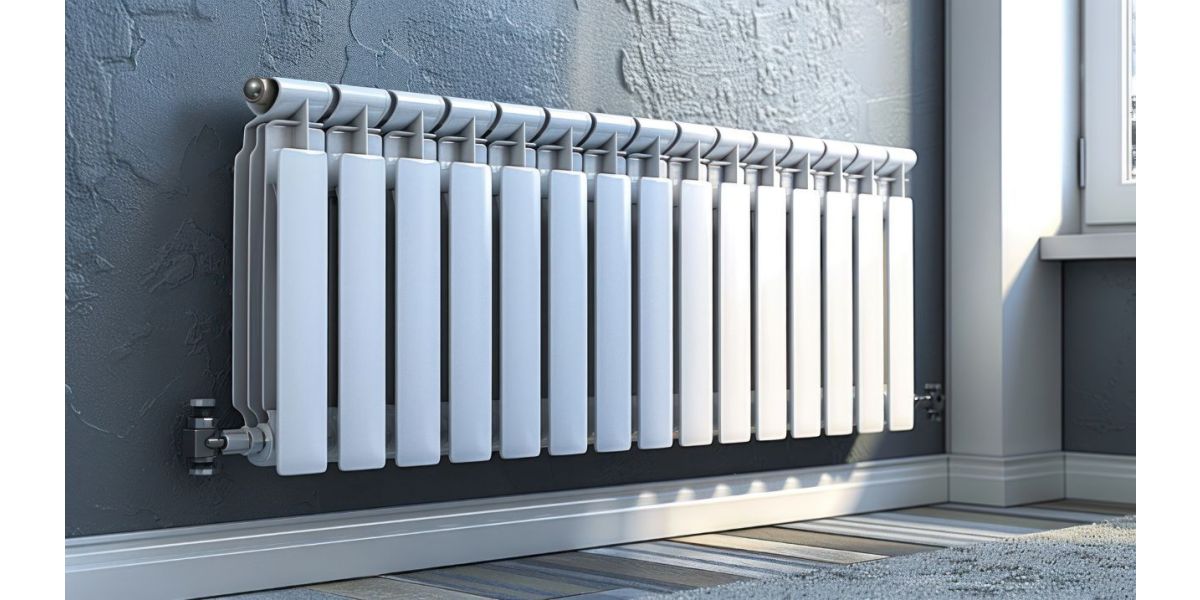
If you’re thinking about switching to electric heating or adding a radiator or two for extra warmth, one of the first questions you’ll probably ask is are electric radiators expensive to run? It’s a valid concern — especially with energy prices constantly shifting and everyone looking for ways to cut costs.
Electric radiators have become far more popular in recent years, largely thanks to their convenience and modern features. But how do they stack up when it comes to cost? Let’s break it down properly so you know what to expect.
How Electric Radiators Work
Unlike central heating systems that rely on a boiler, electric radiators plug into your mains electricity and heat up internally. Each one works as a standalone unit, using either thermal fluid (like oil-filled models) or dry elements (such as ceramic or aluminium) to generate heat.
Once switched on, the radiator heats up and distributes warmth either through convection, radiation, or a mix of both. Many come with timers, thermostats, and even smart features that allow you to control them via app — all designed to give you better control over usage.
That’s a key selling point. You only heat the rooms you’re using, when you're using them. But that flexibility doesn’t automatically mean they’re the cheapest option to run.
What Affects the Cost of Running Electric Radiators?
The type of electric radiator
Some models are more efficient than others. Oil-filled or ceramic-core radiators, for example, tend to hold heat longer and stay warm even after switching off — meaning they don’t have to work as hard to maintain a room’s temperature.
Energy tariffs and electricity prices
This one's pretty obvious — the cost to run any electric appliance will depend on your electricity rate. If you're on a variable tariff, your costs can fluctuate throughout the year. It’s worth checking whether switching to a time-of-use tariff, like Economy 7 or 10, might benefit your setup.
Room size and insulation
Heating a large, draughty room will cost more than warming a small, well-insulated space. If your home loses heat quickly, the radiator will have to work harder and longer to keep things comfortable.
Usage habits
Running your radiator for ten hours a day on full blast is going to eat into your energy budget. That said, using lower temperature settings, timers, or zoning your heating more efficiently can significantly cut your energy use.
If you’re not sure which model suits your layout, it might help to explore different types of radiators for your home first, and weigh up the benefits of each before committing.
Average Running Costs: What to Expect
So, are electric radiators expensive to run in practice? It depends — but here’s a rough idea to give you a benchmark.
Let’s say you have a 1.5kW radiator in a medium-sized bedroom. If you run it for 4 hours a day at the current average UK electricity rate (around 27p per kWh), that’s just over £1.60 per day — or roughly £48 per month. Multiply that by multiple rooms or longer run times and yes, the cost adds up.
Compare that with gas central heating, which is often cheaper per unit of energy. But electric heating tends to be more targeted — you’re not heating empty hallways or unoccupied rooms. So in the right conditions, it can be a cost-effective solution.
It’s also worth noting that some of the newer models are very efficient. If you take a look at our most space-conscious designs, you’ll find options that suit smaller rooms without compromising performance.
Are Electric Radiators Cheaper Than Other Heating Options?
There’s no straight yes or no here — it depends on your home and how you use energy.
If your home is off-grid, has no gas supply, or you only need to heat one or two rooms, electric radiators can actually be more economical. Installation costs are lower too. You don’t need pipework or a boiler, just a plug socket.
On the other hand, if you’re heating a larger property with multiple occupied rooms, gas central heating tends to be more cost-effective overall. That said, rising gas prices and new energy regulations may eventually tip the balance in favour of electric systems, especially those paired with solar panels.
In short, they’re not always cheaper — but in the right setup, they make perfect sense.
Tips to Make Electric Radiators More Cost-Effective
Choose models with thermostats and timers
Being able to programme when your radiator turns on (and what temperature it holds) makes a huge difference. You're not wasting energy heating rooms that don’t need it.
Keep rooms well-insulated
It sounds simple, but the warmer your room stays naturally, the less your radiator has to work. Draught excluders, thick curtains, and basic insulation upgrades can all help cut running costs.
Use zone heating
Only heat the rooms you're actually using. There’s no point warming up a guest bedroom if nobody’s staying over. This is one of the biggest advantages of electric heating — it’s totally modular.
Avoid constantly switching it on and off
It might seem like a saving tactic, but if your radiator has to reheat a cold room from scratch every time, it’ll use more energy. Keeping it at a steady temperature with a thermostat is often more efficient in the long run.
Final Thoughts
So, are electric radiators expensive to run? They can be — but they don’t have to be. It all comes down to choosing the right model, using it wisely, and making sure your home isn’t leaking heat left, right, and centre.
For small flats, well-insulated rooms, or homes without a gas connection, they’re a solid option. And the extra control you get — zoning, timers, no need for full central heating — means you can keep your bills in check without sacrificing comfort.
Still unsure which type of radiator suits your space? We’ve got plenty of choices, expert advice, and energy-efficient designs ready when you are.