




Heat pumps can feel like inscrutable boxes - quiet, efficient, but prone to flashing codes that leave us scratching our heads. We’ve all been there: mid-winter, the living room is cool as a fridge, and the display blinks an obscure sequence. Before dialing an engineer, it’s worth decoding those signals. Not only can understanding error codes save us time, but it might even spare our wallets from unnecessary call-out charges.
Why Heat Pump Error Codes Matter
When your heat pump flashes an error, it isn’t simply announcing “something’s wrong.” Instead, it’s pinpointing a fault in a complex system that balances refrigerant, airflow, sensors and circuits. Not only is this feedback precise, but it arms us with the context needed to decide: is this a quick DIY fix or best left to professionals?
We could assume that every code equates to disaster… but then again, many errors spring from minor issues: a blocked filter, a tripped breaker, or temporary communication hiccups. Still, there’s something else at play: consistent misreads or repeated resets can indicate deeper wear and tear - or even refrigerant leaks.
Common Error Codes And Their Implications
Heat pump manufacturers don’t share a universal language - codes vary. Yet, several pop up across brands. Here’s a rundown of the ones we see most often:
1. E1 / E02: Low or High Discharge Pressure
Not only is the refrigerant circuit out of range, but this pressure imbalance can lead to inefficient heating, ice buildup on the outdoor unit or, in severe cases, compressor damage.
2. E3 / E04: Outdoor Sensor Fault
Maybe the sensor’s wiring has corroded - or it’s been jarred loose. Either way, the pump can’t gauge outdoor temperature, so it may stubbornly overheat or underheat your home.
3. E5: Indoor Coil Sensor Error
When the indoor temperature probe misbehaves, the system can’t regulate delivery. Not only does this glitch cause uneven heating, but it also risks short-cycling the compressor, which accelerates component wear.
4. E6: Reverse Valve Malfunction
This error often appears during defrost cycles. Not only does it halt automatic frost clearing, but prolonged frost can choke airflow and push the unit into protective shutdowns.
5. E7 / E8: Communication Failure Between Indoor/Outdoor Units
Cables can pinched, terminals corroded or connectors dislodged. The result? The two halves of your system refuse to cooperate, leaving the entire assembly idle.
6. F1 / F2: Overcurrent Protection
Usually triggered by electrical surges or a failing capacitor. It’s a safeguard that prevents burnt-out components - but if it recurs, you might be looking at deeper electrical faults.
How To Respond To Error Codes
Each code demands a tailored approach. While resetting power by switching off the unit for a minute sometimes clears transient faults, repeated resets aren’t a solution. And to be fair, poking around electrical components without proper know-how can be dangerous. Here’s a sensible sequence to follow:
1. Power Cycle
Turn the heat pump off at the breaker, wait 60 seconds, then restore power. In some cases, that’s all it takes.
2. Check Filters and Vents
A clogged filter or blocked vent can trigger pressure and temperature alarms. Make sure intake and exhaust pathways are clear.
3. Inspect Wiring and Connections
Look for loose terminals and signs of corrosion - but only if you’re comfortable doing so safely.
4. Consult the Manual
Manufacturer guides often list detailed troubleshooting steps for each code.
5. Call a Professional
When in doubt, especially with refrigerant or electrical issues, reach out to qualified technicians.
Preventing Future Errors
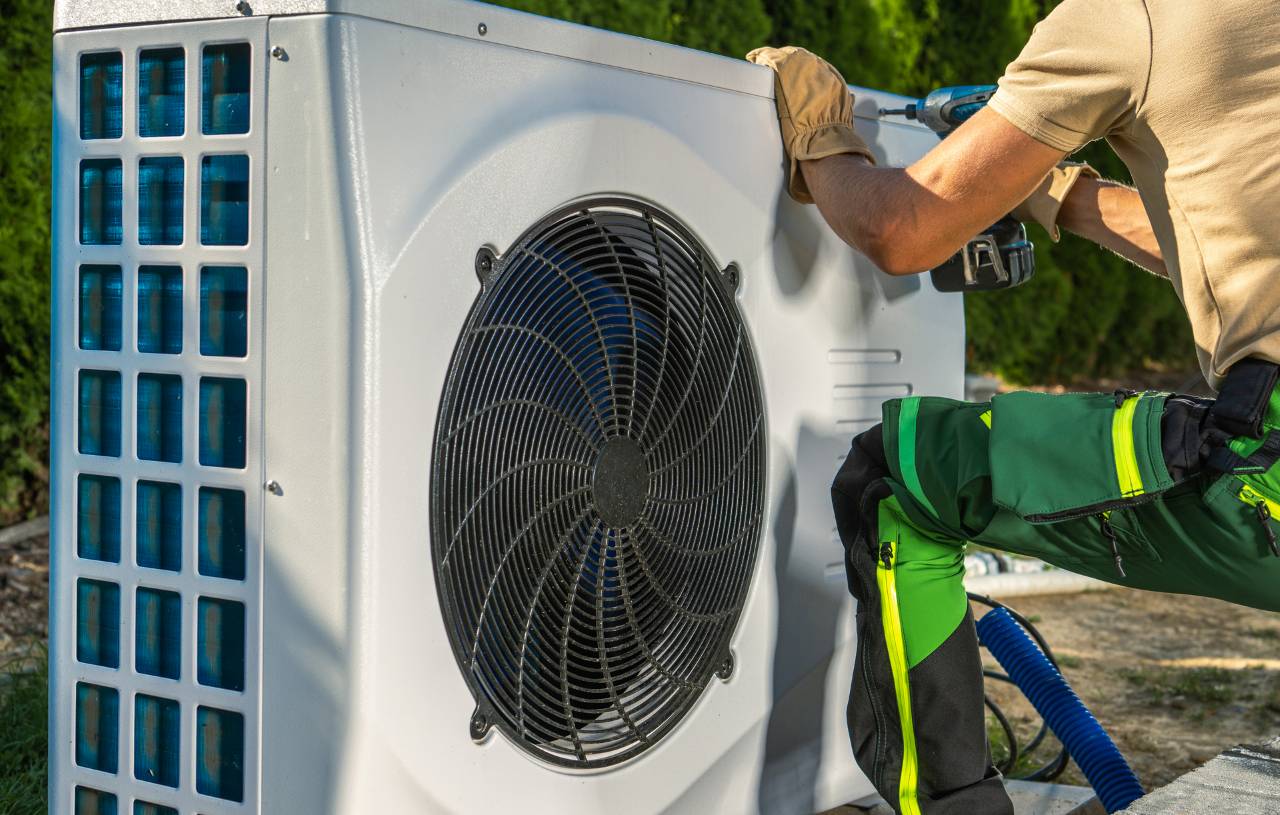
We think prevention is more than cliché maintenance - it’s about proactive care. Maybe that means scheduling an annual service check or investing in a smart thermostat that flags irregularities sooner. Alternatively, considering renewable heating solutions beyond air-to-air units - like air-to-water models - can streamline performance and provide integrated diagnostics. Whether it’s a clogged filter or a faulty sensor, early detection can ward off the domino effect of mechanical stress.
When To Upgrade Instead Of Repair
It’s hard to say at which point repeated errors justify replacement. Arguably, if the pump is over a decade old and error codes multiply, you’re wrestling with aging tech. Modern systems boast self-cleaning coils, more robust sensors and cloud-connected diagnostics. And while there’s an upfront cost, these innovations can shrink running bills and slash service visits.
Still, there’s something to be said for a timely repair if the rest of the system remains solid. Weigh the cost of the fix against the anticipated lifespan and efficiency gains of a new unit. Sometimes, a band‑aid is all that’s needed; other times, a full replacement is the wiser long‑term move.
Simple Tips For DIY Diagnoses
- Keep a log of error codes and occurrences - patterns emerge when you track them.
- Take photos of the display codes before resetting; this helps technicians diagnose remotely.
- Maintain at least a 30cm clearance around indoor and outdoor units to ensure airflow isn’t compromised.
Key Takeaways
Not only does understanding heat pump error codes demystify an otherwise opaque system, but it empowers us to act decisively - whether that’s a quick power cycle, a filter clean or knowing when to call in the experts. And by exploring options like renewable heating solutions, you can ensure your homes stay cosy, efficient and future‑ready.