


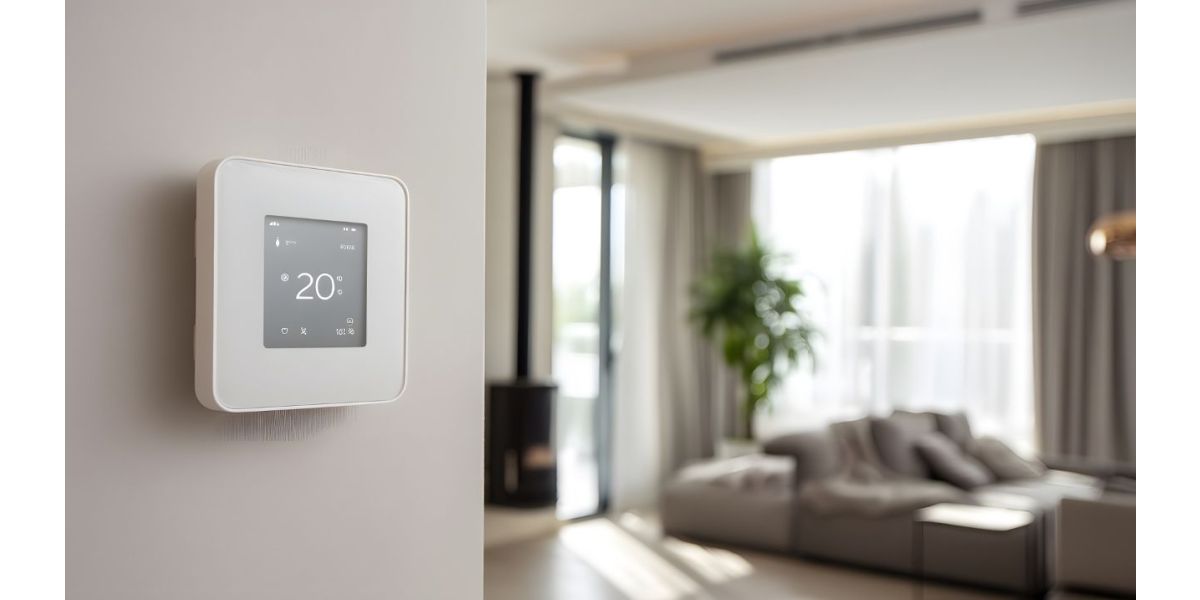
We’re in a golden age of home tech—robot vacuums, video doorbells, fridges that send passive-aggressive messages when you forget the milk—and yes, smart thermostats. But how do smart thermostats work, really? And more importantly, are they just a flashy gadget, or something worth actually installing in your home?
Let’s break it down, naturally. No stiff tech-speak, no wild promises. Just a straightforward (and maybe slightly enthusiastic) look at what makes these thermostats tick.
What exactly is a smart thermostat?
At its core, a smart thermostat is like the brainier cousin of your traditional heating controller. It lets you control your home’s heating (and sometimes cooling, if you're fancy like that) from your phone, tablet, or voice assistant. It connects to your boiler and uses Wi-Fi to chat with your other devices.
But it doesn’t just replace your manual dial with a screen and a snazzy app. It learns your habits, adjusts to your schedule, and uses sensors to figure out when no one’s home. So instead of heating an empty house at 10am on a Tuesday, it holds off—and you save energy (and money).
How do smart thermostats work?
Now we’re into the guts of it. And honestly? It’s a clever mix of sensors, algorithms, and connectivity.
Sensors and geolocation
Most smart thermostats have motion detectors or use your phone’s GPS (if you let them) to know when you're home or away. That way, they can automatically adjust the temperature depending on whether you're in or out. Some even learn your routine over time. (Creepy? Maybe. Useful? Definitely.)
Wi-Fi connectivity and app control
Once it’s all set up, you can control your heating from anywhere using an app. Forgot to turn it down before going on holiday? Tap. Chilly morning and you want to warm up the house before you roll out of bed? Tap. It’s weirdly satisfying.
Some models even connect to smart speakers. So yes, you can shout, “Alexa, it’s freezing in here!” and something productive might actually happen.
Learning algorithms
This is where it gets fancy. Many smart thermostats learn from your behaviour—when you usually wake up, when you leave for work, how warm you like it at night—and adjust automatically. It’s not instant; it takes a couple of weeks to get it right. But once it does, it’s like having a tiny personal assistant who only cares about your room temperature.
Do smart thermostats really save energy?
Short answer? Often, yes. But (and there’s always a but, isn’t there?) it depends on how you use it.
If you’re the type who already turns the heating off before leaving the house, you might not see earth-shattering savings. But if you're occasionally forgetful (or just don’t want to think about it), a smart thermostat can step in and do the thinking for you.
In fact, according to the MoneySavingExpert guide, people who use smart thermostats thoughtfully can cut heating bills by around 8–12%. That’s not bad at all, especially over a full winter.
What features should you look for?
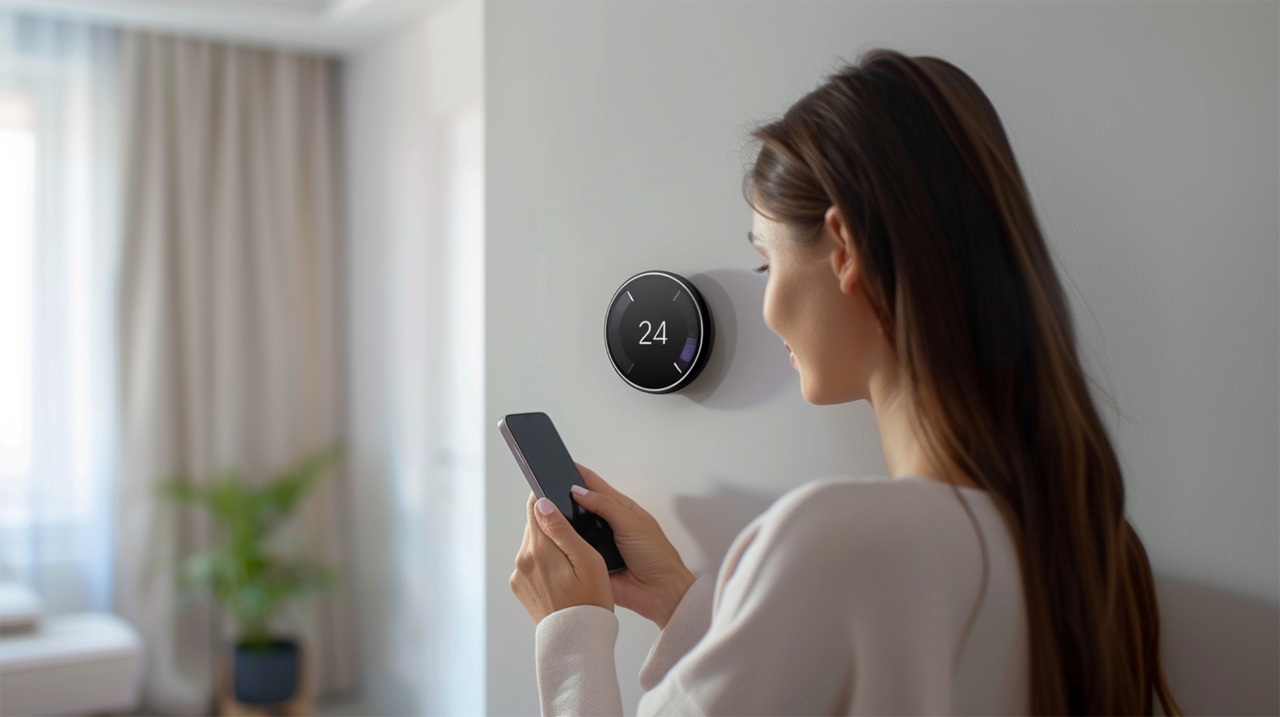
Honestly, not all smart thermostats are created equal. Some are basic—on/off and scheduling—while others go full sci-fi. Here’s what’s worth considering:
Compatibility
First things first: is it compatible with your boiler? Most UK homes use combi boilers, but it’s worth checking before buying. Also make sure it works with your smart home setup (Google, Alexa, Apple HomeKit, etc.).
Learning capabilities
Do you want it to learn your habits or just follow a set schedule? The learning feature is nice, but not everyone needs it. Sometimes a simple programmable model does the job beautifully.
Multi-room control
Some models let you control different rooms individually, which is very handy if you’re trying to save on heating rarely used spaces (like the guest room or your home gym you never actually use).
Want to get into the nitty-gritty of thermostat types? Check out our full guide to choosing a heating thermostat for a deep dive.
Are there any downsides?
Let’s be fair. These devices aren’t perfect.
- They cost more up front. Expect to pay between £100–£250 depending on the brand and features.
- Installation can be tricky. If you’re not comfortable fiddling with wiring or boiler settings, you’ll likely need a professional.
- Privacy concerns. Some users worry about data collection—after all, these devices know your habits. It’s worth reading the fine print and adjusting settings accordingly.
Who should get one?
If you’re frequently out of the house, have a varying schedule, or just like the idea of being in control via your phone, it’s a solid investment. And if you're looking to reduce energy waste without much effort? Even better.
For smaller homes or flats, you might also want to view our small-room heating range—paired with a smart thermostat, you can keep cosy without cranking the heat unnecessarily.
Final thoughts: Are smart thermostats worth it?
We think yes—usually. Smart thermostats aren’t a miracle cure for high energy bills, but they’re an excellent tool in the modern home’s arsenal. They make managing your heating smarter, simpler, and—dare we say it—slightly fun.
Just make sure you get one that suits your boiler and lifestyle. And don’t expect it to do everything on its own. Like all smart tech, it’s only as clever as the person using it.
Still, when winter hits and you’ve just rolled into bed, being able to turn the heat up without moving? That alone might be worth the investment.