


Copper pipes. Beautiful in a rustic industrial setting, sure—but in your average home? Not always the vibe. If you've ever looked at the copper pipes zigzagging beneath your radiators and thought, “Hmm... there must be a better way,” then congratulations—you’re one of us.
In this guide, we’re diving deep (but not too deep—you won't need a toolbox just to read this) into how to cover copper pipes. Whether you want to hide them, disguise them, or give them a bit of a glow-up, we've got you covered.
Why cover copper radiator pipes at all?
Some people love the look—shiny, slightly steampunk, aged to a warm patina over time. But for many of us, exposed pipes feel unfinished. A bit cold. A bit too plumber's workshop in a space that’s meant to feel like home.
It’s not just about aesthetics
While appearances matter (we’re only human), there’s also a practical side to this. Bare pipes can pose safety concerns, especially if they’re scalding hot during winter months. Curious little hands and hot metal don’t mix well. If you’re a parent, you’ve probably had that quiet voice in your head whisper “I should really do something about that…”.
And then there’s insulation. Covered pipes can reduce heat loss—slightly, but hey, every degree counts.
Painting: the simplest concealment trick
Okay, let’s not overthink it—sometimes the easiest fix is also the best place to start.
Painting copper pipes can work surprisingly well. If your walls are white, paint 'em white. If your trim is sage green, hey—guess what colour those pipes are becoming?
Just make sure you’re using heat-resistant paint. Regular emulsion might bubble or flake when the heating kicks in, which… not ideal.
You’ll also want to lightly sand the pipes first to give the paint something to cling to. And clean them thoroughly—no one wants to paint over dust and grime.
Oh, and a little tip: if your radiators are also being painted (many are nowadays), painting the pipes to match can give a cohesive, deliberate look.
Pipe covers: purpose-built and pretty convenient
You can buy pipe covers—also called pipe sleeves—that are basically tubes designed to slide over the copper. Some are foam for insulation, others are decorative plastic or wood-effect finishes.
These come in various diameters and lengths, so it’s worth measuring before ordering. (Yes, we know you were going to eyeball it. But just this once, maybe grab a tape measure.)
Wooden pipe boxing
If you're after something that blends seamlessly with your skirting boards, wooden boxing might be your best friend. Some people DIY this with MDF or timber, others go for pre-fabricated kits. Either way, once it’s painted or stained, it can look like it’s always been part of the room.
One small caution: make sure the boxing isn’t fully sealed in tight. You want a little airflow to prevent heat buildup and any potential condensation issues.
Going bespoke: custom joinery and built-in solutions
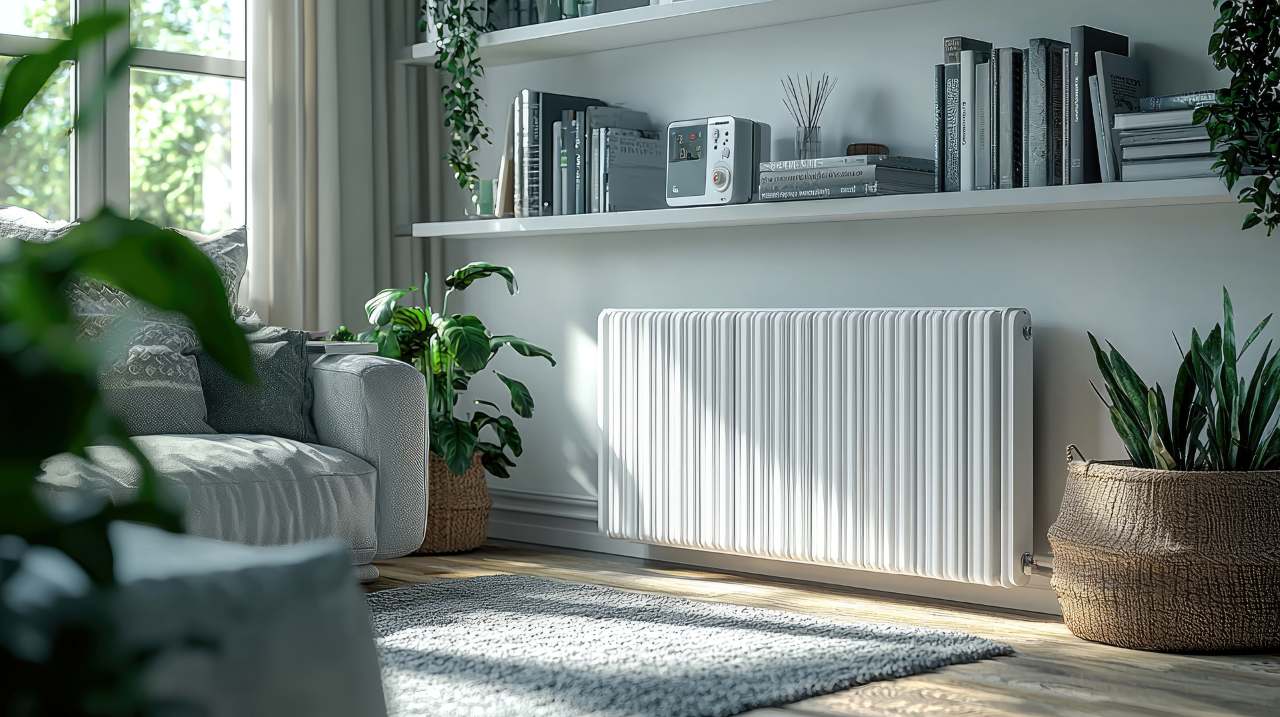
Now, if you're deep into home reno territory—or simply have a “let’s just do it properly” mindset—you might want to consider custom joinery. That could mean:
- A full-length radiator bench that incorporates pipe concealment
- Decorative panelling with hidden gaps for pipes
- Skirting boards with pipe channels
Yes, this costs more. Yes, it takes more time. But the result? Chef’s kiss.
This sort of work can also integrate really well with reliable air-to-water heating systems, which are often installed with new pipework layouts. If you're doing a full heating system revamp, that’s the time to plan pipe concealment from the get-go.
Don’t forget function: maintenance matters
It’s tempting to box everything in tightly and forget about it. Out of sight, out of mind. But, just a gentle reminder—pipes need occasional access. Leaks happen (rarely, but still). If you're boxing things in, consider making them removable or using magnetic panels.
Basically, future-you might really appreciate past-you’s foresight.
The safety angle (aka, think of the kids)
We mentioned it earlier, but it bears repeating—uncovered pipes can be a burn risk. If you've got little ones toddling about or even inquisitive pets, covering copper pipes isn’t just about looks.
It’s about peace of mind.
For more in-depth insight on this (and other practical ways to keep your heating setup safe), check out our radiator safety tips from the experts. Seriously—some of the advice in there is gold.
Final thoughts: sometimes a little goes a long way
You don’t have to completely rework your entire heating system to make a difference. Sometimes it’s a coat of paint. Sometimes it’s a £20 pair of pipe sleeves. Other times? A bit of wood, a lick of matching gloss, and a spare Sunday afternoon.
Whatever route you take, the key is this: it should suit your space, your taste, and your budget.
And if you’re still staring at those copper pipes thinking, “Maybe I like them now…”—that’s fine too. We’re not here to bully the pipes. Just to help them blend in when needed.