


Keeping your home warm while minimising energy costs is a priority for many homeowners, and one of the best ways to achieve this is by improving your radiator efficiency. If your radiators aren't working at their best, you may be wasting heat and energy. Fortunately, there are simple steps you can take to enhance their performance. In this guide, we'll explore how to make radiators more efficient with 8 practical and effective tips.
Why Radiator Efficiency Matters
Efficient radiators ensure that your home stays warm without excessive energy consumption. Poorly maintained or inefficient radiators can lead to higher energy bills, uneven heating, and increased wear on your central heating system. By implementing small changes, you can improve heat distribution, reduce energy waste, and create a more comfortable living environment.
Tip 1: Bleed Your Radiators Regularly
Over time, air can become trapped inside your radiators, preventing hot water from circulating properly. This results in cold spots and reduced heating efficiency. Bleeding your radiators releases this trapped air, allowing the system to function optimally.
How to do it:
- Turn off your heating system.
- Use a radiator key to open the bleed valve, located at the top of the radiator.
- Release the air until water starts to drip out.
- Close the valve and check the pressure of your boiler.
- Repeat this process for all radiators in your home.
Tip 2: Optimise Your Thermostat Settings
Setting your thermostat correctly can significantly improve energy efficiency. A thermostat set too high can cause unnecessary energy use, while one set too low may not provide adequate heating.
Best practices:
- Keep your thermostat between 18-21°C for optimal comfort and efficiency.
- Use programmable thermostats to regulate temperatures based on your daily schedule.
- Lower the setting when you're away or asleep to conserve energy.
- Consider installing smart thermostats that learn your schedule and adjust accordingly.
Tip 3: Use Reflective Foil Behind Your Radiators
Radiators positioned against external walls often lose heat as it escapes through the wall. Installing reflective foil behind the radiator helps to direct heat back into the room, reducing energy waste.
How to apply it:
- Purchase specialist radiator reflector foil or use aluminium foil.
- Cut the foil to fit behind each radiator.
- Attach it to the wall using adhesive tape or magnetic strips.
- Ensure the shiny side faces the radiator to reflect heat effectively.
Tip 4: Ensure Radiators Are Unobstructed
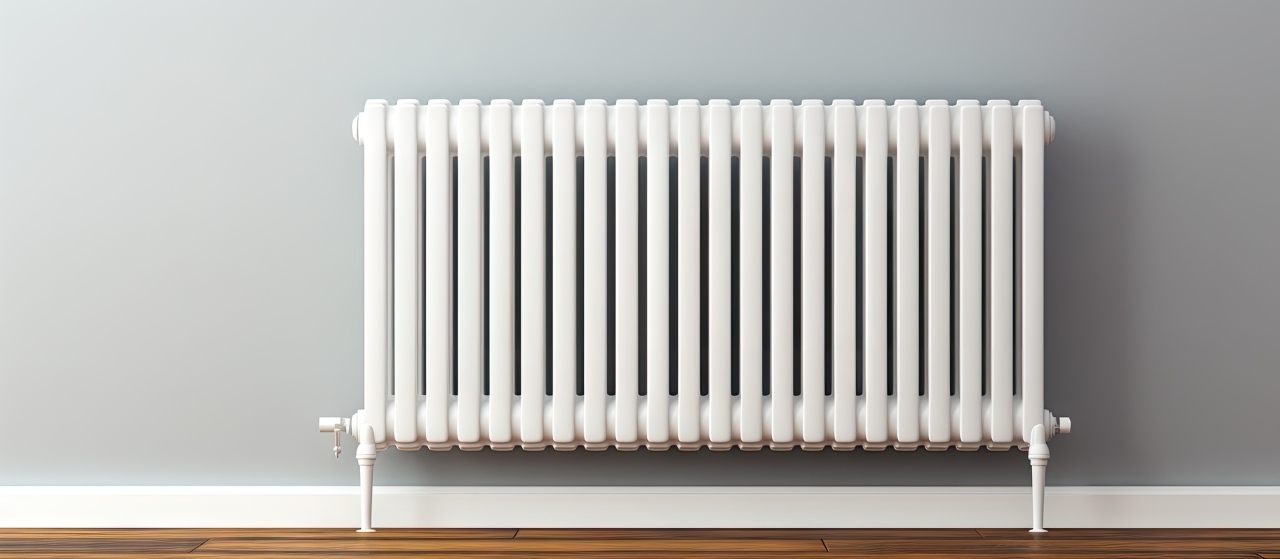
Furniture, curtains, and other obstructions can block heat from radiators, reducing their effectiveness. Ensuring proper airflow allows heat to circulate freely and warm the room more efficiently.
What to do:
- Keep furniture at least a few inches away from radiators.
- Avoid hanging thick curtains over radiators.
- Remove any unnecessary items blocking heat flow.
- Use radiator shelves to help direct heat into the room rather than upwards.
Tip 5: Flush Your Radiators Periodically
Over time, sludge and debris can build up inside radiators, reducing their efficiency. Flushing the system removes this buildup and helps radiators heat more effectively.
How to flush a radiator:
- Turn off your heating system and let the radiators cool.
- Close the valves and remove the radiator from the wall.
- Flush it out with water using a hose until the water runs clear.
- Reattach the radiator and check for leaks before restarting the heating.
- Consider adding an inhibitor to the system to prevent future sludge buildup.
Tip 6: Upgrade Your Radiators
Older radiators may not be as efficient as modern designs, so if your radiators are outdated, consider upgrading to newer, more efficient models, such as compact radiators - but why are compact radiators more efficient, you may ask? It’s simple - they’re designed with more surface area due to their multiple panels and convector fins, and this increased surface area allows them to heat up quickly and distribute heat more evenly across a room.
You can discover our radiator range here to find high-performance options that provide better heat output and energy savings.
Tip 7: Insulate Your Home Properly
Radiator efficiency isn't just about the unit itself; your home's insulation plays a key role. Poor insulation leads to heat loss, making your radiators work harder to maintain a comfortable temperature.
Ways to improve insulation:
- Install loft and cavity wall insulation.
- Use draught excluders on doors and windows.
- Seal any gaps in walls or floors to prevent heat escape.
- Add thick curtains or thermal blinds to windows to reduce heat loss.
Tip 8: Schedule Professional Maintenance
Regular maintenance by a professional ensures your heating system is running efficiently. A heating engineer can check for any issues, such as radiator blockages, leaks, or boiler inefficiencies, helping you maintain optimal heating performance.
What a professional can do:
- Power flush the system to remove sludge.
- Check boiler pressure and efficiency.
- Ensure radiators are correctly balanced.
- Inspect and replace any worn-out valves or seals.
Final Thoughts
All in all, regular maintenance, optimising settings, and upgrading to efficient models can make a significant difference in keeping your home warm and comfortable. And if you're considering a radiator upgrade, you can discover our radiator range here for high-quality, energy-efficient options.