



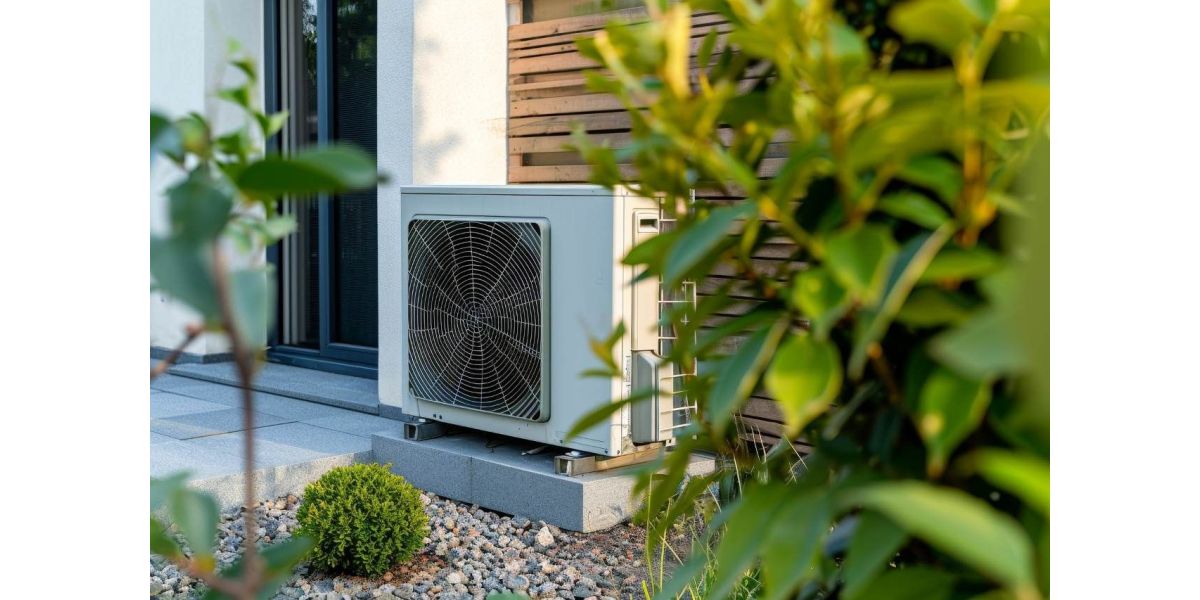
Heat pumps promise lower energy bills and a smaller carbon footprint, but only when they run at peak performance. Over time, even the best-equipped systems can lose their edge - maybe through a clogged filter, maybe due to refrigerant drift. Either way, neglect makes things worse. Not only is lost efficiency expensive, but it also shortens equipment life and undermines comfort. Here’s how to keep your heat pump humming like the day it was installed.
Understand What Drives Efficiency Loss
Efficiency loss isn’t mysterious. It’s almost always the result of physical or operational issues that slowly creep in. Too often, homeowners assume their heat pump is “set and forget.” But reality begs to differ. Dirt and debris accumulate. Refrigerant levels wander. Controls go out of sync. Before you know it, you’re pumping more kilowatt‑hours through the meter without getting the same warmth.
And to be fair, manufacturers rarely shout about simple maintenance - because they’d rather you call a pro. But a little know‑how goes a long way. Recognising the main culprits empowers you to tackle them early, avoiding bigger bills and emergency repairs.
Keep Airflow Free and Clear
Clogged air filters and obstructed vents are the single biggest drain on performance. When your system fights to pull air through a layer of dust, it uses more power - and delivers less heat.
Regularly check and replace filters according to the manufacturer’s schedule. While you’re at it, sweep around vents and registers. Sometimes a stray curtain or sofa cushions can stifle airflow without you even realising.
Not only does clear airflow improve efficiency, but it also enhances indoor air quality. When filters trap pollen and pet dander effectively, your system works smarter - and your family breathes easier.
Maintain Refrigerant Charge
Refrigerant isn’t a “one‑and‑done” fluid. Small leaks can let it seep out gradually, forcing your compressor to work overtime. Low refrigerant pressures mean the system can’t absorb or reject heat properly. Here’s what to watch for: ice forming on coils, reduced heating capacity, or unusual hissing sounds. If you spot any warning signs, call a qualified technician to test the charge and repair any leaks.
Still, there’s something else worth noting: DIY sealing hacks rarely solve the root problem. They might plug a leak temporarily, but corrosion and material fatigue often lie beneath. For reliability and longest life, trust a certified pro to recharge and restore your system.
Optimize Your Controls and Settings
Your thermostat and system controls represent the brain of your heat pump. If they’re misconfigured, even a well‑tuned machine won’t operate efficiently. Double‑check that your thermostat is calibrated correctly, set to the right mode, and placed away from drafts or direct sunlight. Consider a programmable or smart thermostat - these devices adjust run cycles based on real‑time conditions, reducing wasted energy.
And here’s the kicker: learning how to run heating efficiently isn’t just about switching to “eco” mode. It involves understanding your own household patterns - when you’re away, asleep, or hosting guests. Small schedule tweaks can yield surprisingly big savings.
Schedule Annual Professional Tune‑Ups

We think of heat pumps like cars: routine servicing preserves performance. A skilled technician will inspect electrical connections, measure system pressures, clean coils, and verify airflow. They can detect wear before it becomes a failure, replacing worn components and fine‑tuning as they go. Not only does this preventive care stave off efficiency loss, but it also extends warranty coverage and reduces the likelihood of surprise breakdowns.
Maybe we’re biased, but a well‑maintained heat pump often runs 25–30% more efficiently than a neglected one. Over a decade, that efficiency translates into hundreds of pounds saved - and fewer replacements when your system reaches end‑of‑life.
Insulate and Seal Your Home Envelope
A heat pump can only do so much if your home leaks like a sieve. Drafty windows, uninsulated walls, and gaps around pipes let heat escape, forcing the system to run longer. Addressing insulation and sealing improves your entire heating strategy. Weather‑strip doors, add draught excluders, and consider cavity wall insulation in colder climates. These measures complement your heat pump’s work, letting it focus on maintaining comfort rather than battling constant heat loss.
Not only is better insulation kinder to your energy bills, but it’s also kinder to the planet. Reduced run time lowers greenhouse‑gas emissions and maximises your system’s green credentials.
Invest in Reliable Equipment and Upgrades
Finally, even the best maintenance can’t erase the drawbacks of an outdated unit. Older heat pumps often rely on less efficient refrigerants and lack modern control algorithms. If you notice persistent performance issues, it might be time for an upgrade. Look for models with high Seasonal Coefficient of Performance (SCOP) ratings and inverter‑driven compressors - they adjust speed to match demand, minimising energy spikes.
And when selecting a new system, prioritise reliable systems for energy-efficient heating. Quality components and reputable installation go hand in hand. Spend a bit more up front, and you’ll enjoy smoother operation and fewer headaches down the road.
Regular filter changes, refrigerant checks, control calibration, professional inspections, proper insulation, and strategic upgrades form the backbone of any successful efficiency‑preservation plan.
Final Thoughts
A heat pump’s appeal lies in its promise of efficient, eco-friendly comfort. But that promise only holds if we stay vigilant. By tackling airflow, refrigerant integrity, controls, and home insulation - and by scheduling expert tune‑ups - we keep efficiency loss at bay. The payoff? Lower energy bills, a smaller carbon footprint, and a system that truly lives up to expectations. Care for it, and it will return the favour.