



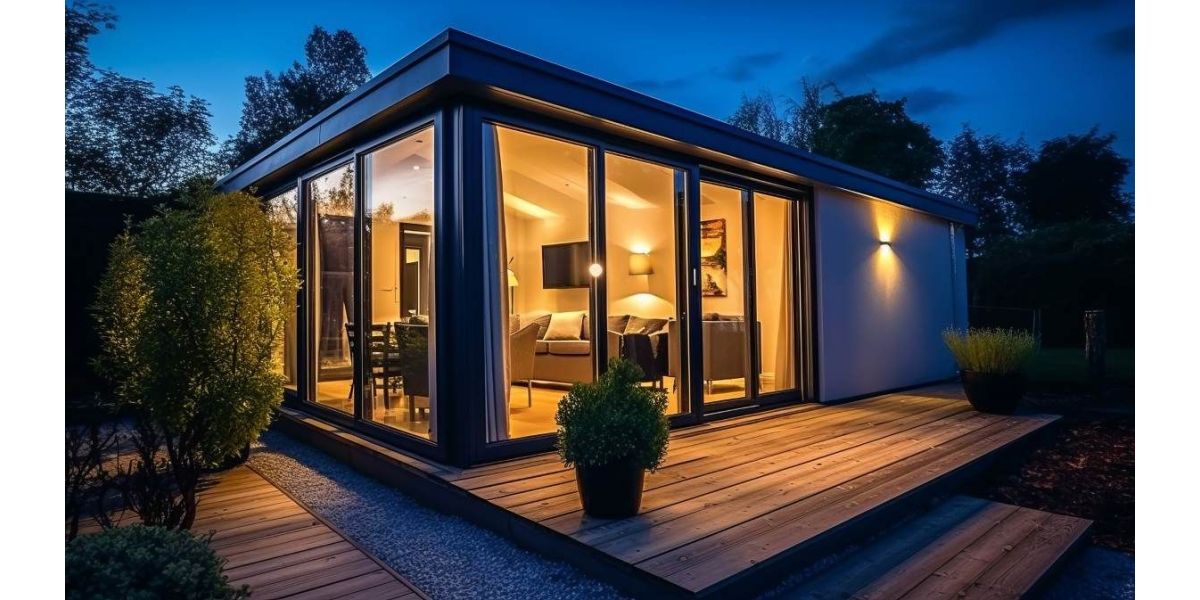
Garden rooms have become incredibly popular as home offices, gyms, studios, or just extra living space - but heating them properly is trickier than you might expect. They're essentially separate buildings with different insulation levels, no connection to your home's heating system, and exposure to weather on all sides including underneath. Getting the heating right makes the difference between a usable year-round space and an expensive shed you abandon every October.
Understanding Garden Room Heating Challenges
Garden rooms lose heat faster than rooms in your main house because they're exposed to cold on all sides - your home benefits from shared walls with neighbours, rooms above and below, and generally better insulation built to proper building regs. Garden rooms often have large glazed areas for light and garden views, which look brilliant but are thermal weak points even with good-quality glass.
The other issue is that garden rooms typically aren't used constantly throughout the day; you might work in there for a few hours, leave it cold overnight, then need it warm again the next morning. This intermittent use pattern means heating solutions that work well for constantly occupied spaces don't necessarily suit garden rooms - you need something that heats quickly, doesn't cost a fortune to run, and ideally doesn't require leaving heating on when the space is empty.
Electric Radiators and Panel Heaters
Electric radiators are probably the most straightforward heating option for garden rooms - they just need a power supply (which your garden room should have anyway), they're relatively affordable to buy, and installation is simple enough for a competent person to manage. Modern electric radiators with thermostats and timers let you program heating to come on before you need the space, arriving to a warm room without leaving heating on constantly.
The downside is running costs. Electricity is expensive per kWh compared to gas - roughly 3-4 times more currently - so if you're using your garden room for 8 hours daily throughout winter, electric heating costs add up quickly. For occasional use or shoulder season heating, electric radiators work fine; for heavy winter use in poorly insulated buildings, they can be eye-wateringly expensive.
Oil-filled radiators provide gentle heat that lingers after they're turned off, which helps with efficiency. Panel heaters warm spaces faster but don't retain heat once off - each has advantages depending on your use pattern and how well insulated your garden room is.
Infrared Heating Panels
Infrared panels heat objects and people directly rather than warming the air, which works brilliantly in garden rooms where you want to feel warm quickly without waiting for the entire space to reach temperature. They mount on walls or ceilings, they're slim and unobtrusive, and they create comfortable warmth at lower air temperatures than conventional heating because you're receiving radiant heat.
They're particularly good for garden rooms with high ceilings where warm air would naturally rise away from you - infrared doesn't care about air movement, it just radiates heat to whatever it can 'see'. Installation needs electrical work but isn't complicated; running costs are similar to other electric heating (i.e., not cheap) but the efficiency gains from heating people rather than air can offset this somewhat.
The initial cost is higher than basic electric radiators - decent infrared panels run £150-400 each depending on size - but they're increasingly popular for exactly this application because they suit intermittent use patterns well.
Extending Your Home's Central Heating
If your garden room is close to your house and your existing boiler has spare capacity, extending your central heating is worth considering - you get the efficiency and running costs of gas heating rather than expensive electricity. It requires running pipes underground from your house to the garden room, which involves digging and proper insulation of the pipework.
The capital cost is significant (potentially £1,500-3,000 depending on distance and complexity), but if you're using the space heavily throughout winter, the running cost savings versus electric heating pay this back over a few years. Your garden room radiators work exactly like those in your house; you can control them with TRVs, and they're heated by your existing efficient boiler.
The catch is that extending central heating only makes sense if your garden room is reasonably close to your house, your boiler has capacity to spare, and you're planning to use the space enough to justify the installation cost. For occasional use or garden rooms far from the house, it's overkill.
Underfloor Heating
Electric underfloor heating works well in garden rooms because it heats evenly from the floor up, doesn't take up wall space, and creates comfortable warmth without visible radiators - particularly nice if your garden room has lots of glazing where radiators would block views or interrupt the clean lines.
Installation needs to happen during construction or as part of floor upgrades since you're embedding heating elements under the floor finish. Running costs are comparable to other electric heating, though underfloor systems can be more efficient because they heat at lower temperatures and the gentle warmth feels more comfortable at lower air temperatures than radiators achieve.
Underfloor heating responds slowly to changes - it takes a while to warm up from cold and holds heat for ages once warm. This suits garden rooms used regularly at predictable times (like home offices Monday to Friday) but less well for truly ad-hoc use where you want instant heat. Combining underfloor heating with a supplementary fast-response heater gives you best of both worlds.
Air Source Heat Pumps
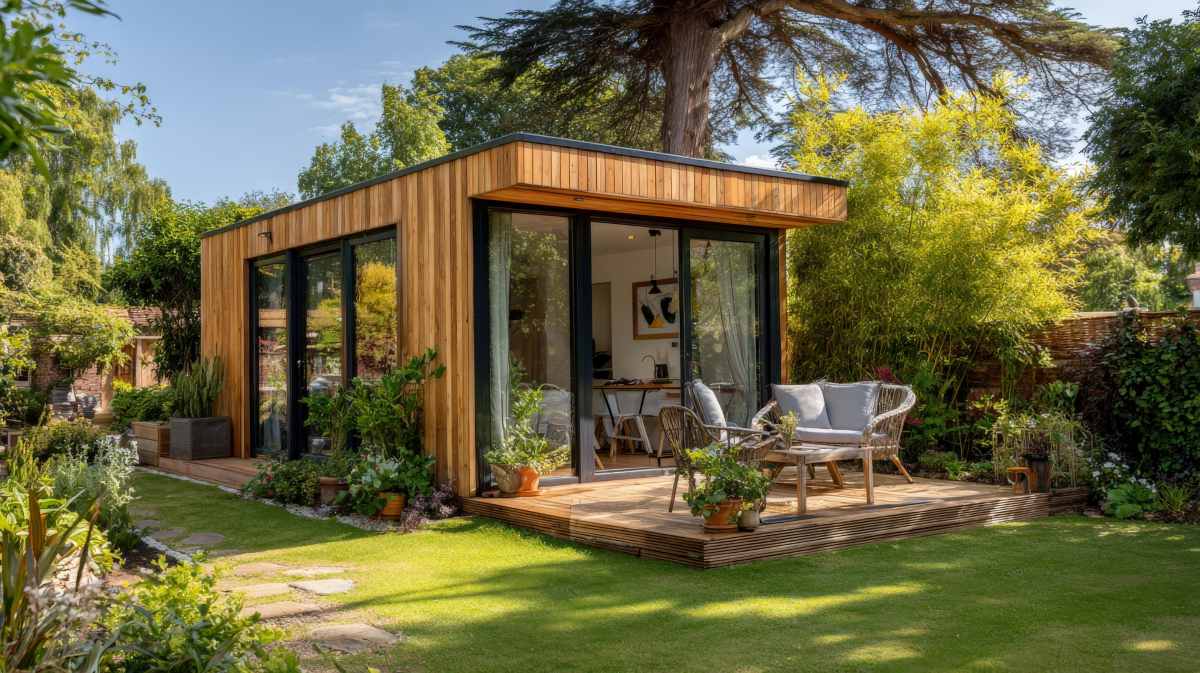
For serious year-round garden room use, particularly larger buildings, air source heat pumps offer efficient heating and cooling in one system - they're expensive upfront (£3,000-6,000 installed) but running costs are lower than direct electric heating because heat pumps move heat rather than generating it electrically.
Heat pumps work best with good insulation and underfloor heating or larger radiators running at lower temperatures; they're less suitable for poorly insulated garden rooms or where you need rapid heating from cold. They also provide cooling in summer, which is genuinely useful in well-glazed garden rooms that can overheat on sunny days.
The other consideration is that heat pumps need outdoor units which generate some noise and visual impact - fine for larger gardens but potentially annoying in small spaces or if neighbours are close. Government grants can help with costs though, making them more viable than they'd otherwise be.
Wood Burners and Log Stoves
If your garden room has proper clearances and you can install a flue, wood burners create brilliant atmospheric heat whilst being relatively cheap to run if you've got access to affordable firewood - there's something genuinely pleasant about working or relaxing in a space with a real fire. They heat quickly, need no electricity, and become a design feature rather than just functional heating.
The downsides are significant though. Installation requires building regs approval, proper clearances from combustibles, flue installation through the roof, and typically costs £2,000-4,000 all in. You need somewhere dry to store logs, and wood burners need regular cleaning and maintenance. They're also not great for quick warmth - you need to build and tend the fire, which doesn't suit popping out to the garden office for an hour.
Modern wood burners are much cleaner than old ones but still produce emissions; some areas have smoke control zones restricting what you can burn. If you're using your garden room as an office, constantly managing a fire while trying to work is distracting.
Portable Heaters as Primary or Backup
Fan heaters, halogen heaters, and oil-filled radiators all work as either primary heating for lightly used garden rooms or backup for shoulder seasons when your main heating isn't quite enough - they're cheap to buy, infinitely flexible, and require no installation beyond plugging them in.
Running costs are high if you're using them constantly because they're typically inefficient, but for occasional use or brief periods, convenience outweighs efficiency. Fan heaters warm spaces quickly but are noisy; halogen heaters provide instant radiant warmth but only heat what they're pointed at; oil-filled radiators are slow but gentle and silent.
For garden rooms that only need heating occasionally or where you're unsure what your actual heating requirements are, starting with a decent portable heater lets you test real-world usage before committing to expensive permanent installations. At Mr Central Heating, our double-panel options for modern homes work brilliantly if you're extending central heating, but portable heaters are the low-risk starting point.
Insulation Comes First
Regardless of which heating you choose, proper insulation is essential - heating an uninsulated garden room is futile and expensive. Building regs require insulation in floors, walls, and roofs for garden rooms; even if your building predates current regs, upgrading insulation is almost always more cost-effective than just using more heating.
Double or triple glazing in windows and doors makes huge differences - single glazing loses heat catastrophically fast and creates cold surfaces that make the space feel chilly regardless of air temperature. Draught-proofing around doors and windows stops cold air infiltration that undermines heating efforts.
Key Takeaways
The "best" heating for your garden room depends on usage patterns, insulation quality, distance from your house, and budget - there's no universal answer. Heavy daily use in well-insulated buildings justifies extending central heating or installing heat pumps; occasional use suits electric radiators or infrared panels; spaces used at predictable times benefit from underfloor heating with programmable controls.
Start by ensuring your garden room is properly insulated and draught-proof - heating an uninsulated space wastes money regardless of which heating system you choose. Consider your actual usage honestly rather than aspirationally; if you'll realistically use the space 2-3 times weekly for a few hours, expensive heating installations don't make financial sense compared to efficient portable heaters.
Think about response time too - if you need the space warm immediately, slow-response systems like underfloor heating frustrate, whilst infrared panels or fan heaters deliver instant warmth. For spaces used daily at regular times, programmable electric radiators or extended central heating work brilliantly because you arrive to pre-warmed comfort.
FAQs
What's the cheapest way to heat a garden room?
Upfront: portable electric heaters (£30-100). Running costs: extending gas central heating if feasible, though installation is expensive. For most people, electric radiators with good insulation and smart controls balance capital cost against running costs reasonably.
Can you heat a garden room without electricity?
Wood burners or gas heaters work but require proper installation for safety - wood burners need flues and clearances, gas heaters need ventilation and potentially gas supply run from your house. Most modern solutions depend on electricity for safety and control.
How much does it cost to run electric heating in a garden room?
Depends on size, insulation, and usage - a small well-insulated garden room used for 4 hours daily might cost £2-3 daily in winter at current electricity prices. Poorly insulated spaces or all-day heating can easily hit £5-8 daily.
Do garden rooms need building regulations approval for heating?
Installing heating itself doesn't usually need approval, but the electrical work must comply with Part P regulations (typically requiring qualified electrician), and wood burners need building control approval. Extended central heating involving gas work needs registered engineers.
Is underfloor heating worth it in a garden room?
If installing during construction and using the space regularly, yes - it's comfortable, unobtrusive, and efficient. Retrofitting is expensive and disruptive. Not ideal for truly ad-hoc use because of slow response times.
What size heater do I need?
Roughly 100-150 watts per square metre for well-insulated garden rooms, more for poorly insulated spaces or those with lots of glazing. A 15 square metre garden office might need 1.5-2.5kW heating depending on insulation quality and how quickly you want it to warm up.