




Most people don't think much about their heating system until something goes wrong or the bills arrive looking frightening - this lack of attention leads to all sorts of mistakes that waste energy, cost money, and leave homes less comfortable than they should be. Some of these errors are obvious once pointed out, whilst others have become accepted wisdom despite being completely wrong.
Cranking the Thermostat Up to Heat Faster
Turning your thermostat to 25°C when you want the room at 20°C doesn't make it warm up any faster - your heating system runs at the same rate regardless of the target temperature. Setting it to 20°C means it'll stop once the room reaches that temperature; setting it higher just means it'll overshoot and waste energy heating beyond what you actually wanted.
Thermostats are on/off switches, not accelerator pedals. Your boiler fires at full capacity whether you've set the thermostat to 18°C or 28°C - the only difference is when it stops. People who do this usually end up too hot, open windows to cool down, then wonder why their heating bills are massive whilst they're literally heating the outdoors.
Leaving Heating On Low All Day
There's a persistent myth that leaving heating on low constantly is more efficient than turning it off and heating from cold - this is almost always wrong for modern homes with decent insulation. When your heating is on, you're losing heat to the outside continuously; the longer it's on, the more heat you lose, even at lower temperatures.
Heating only when needed and using proper controls to warm the house before you're home is far more efficient than maintaining temperature 24/7. The exception is very poorly insulated older properties or homes with slow-response heating like storage heaters or some underfloor systems, but these are specific cases rather than the general rule.
Blocking Radiators with Furniture
Shoving sofas against radiators or hanging wet laundry over them stops heat circulating properly - you're essentially heating your furniture or clothes whilst the room stays cold. Radiators need air to flow past them freely; blocking them means your heating system works harder for less effect, wasting energy and leaving you uncomfortable.
Curtains that hang over radiators cause similar problems, trapping heat behind fabric instead of letting it into the room. Heavy furniture placed directly in front of radiators creates dead zones where heat can't escape properly - even a small gap (10-15cm) makes a significant difference to heat distribution.
Closing Vents in Unused Rooms
The logic seems sound: why heat rooms you're not using? The reality is more complicated - closing vents and doors in some rooms can disrupt your heating system's balance, potentially causing problems with other radiators or forcing your boiler to work harder. Modern systems are designed to heat the whole house; randomly closing off sections upsets that design.
If you genuinely don't need to heat certain rooms, fit thermostatic radiator valves (TRVs) and turn them down rather than closing doors and blocking vents. This lets you control temperature room-by-room without disrupting airflow or creating pressure problems. Complete zoning systems are even better but require proper design and installation.
Ignoring Radiator Bleeding
Cold spots at the top of radiators indicate trapped air that's preventing hot water circulating properly - bleeding radiators takes five minutes with a radiator key and immediately improves efficiency. Air in the system means you're pumping hot water around but some of your radiators aren't actually heating, which is pure waste.
Check radiators annually, particularly after summer when the system's been off for months. If the top of a radiator is cold whilst the bottom is hot, it needs bleeding - you'll hear a hissing sound as air escapes, then water will start dripping once all the air is out. This simple maintenance task can transform poorly performing radiators.
Setting All Radiators to Maximum
Just because every radiator has a valve doesn't mean they should all be fully open - different rooms need different temperatures, and hallways or bedrooms typically don't need to be as warm as living spaces. Setting everything to maximum wastes energy heating spaces beyond what's comfortable or necessary.
TRVs exist specifically so you can set appropriate temperatures for each room - living rooms might want 20-21°C, bedrooms are better at 16-18°C for sleeping, and hallways can be cooler still since you're just passing through. Using them properly rather than treating them as on/off switches saves energy whilst improving comfort.
Skipping Annual Servicing
Boilers don't run optimally forever without maintenance - efficiency drops gradually as components wear, seals degrade, and dirt accumulates. Annual servicing keeps your boiler running efficiently, catches problems before they become expensive failures, and is often required to maintain warranties.
Unserviced boilers can lose 10-15% efficiency over several years, costing you significantly more in fuel whilst increasing breakdown risk. The servicing cost (typically £80-120 annually) is easily offset by improved efficiency and avoiding emergency callouts in winter when everyone's boiler decides to fail simultaneously and you're waiting days for an engineer.
Using Heating Without Proper Controls
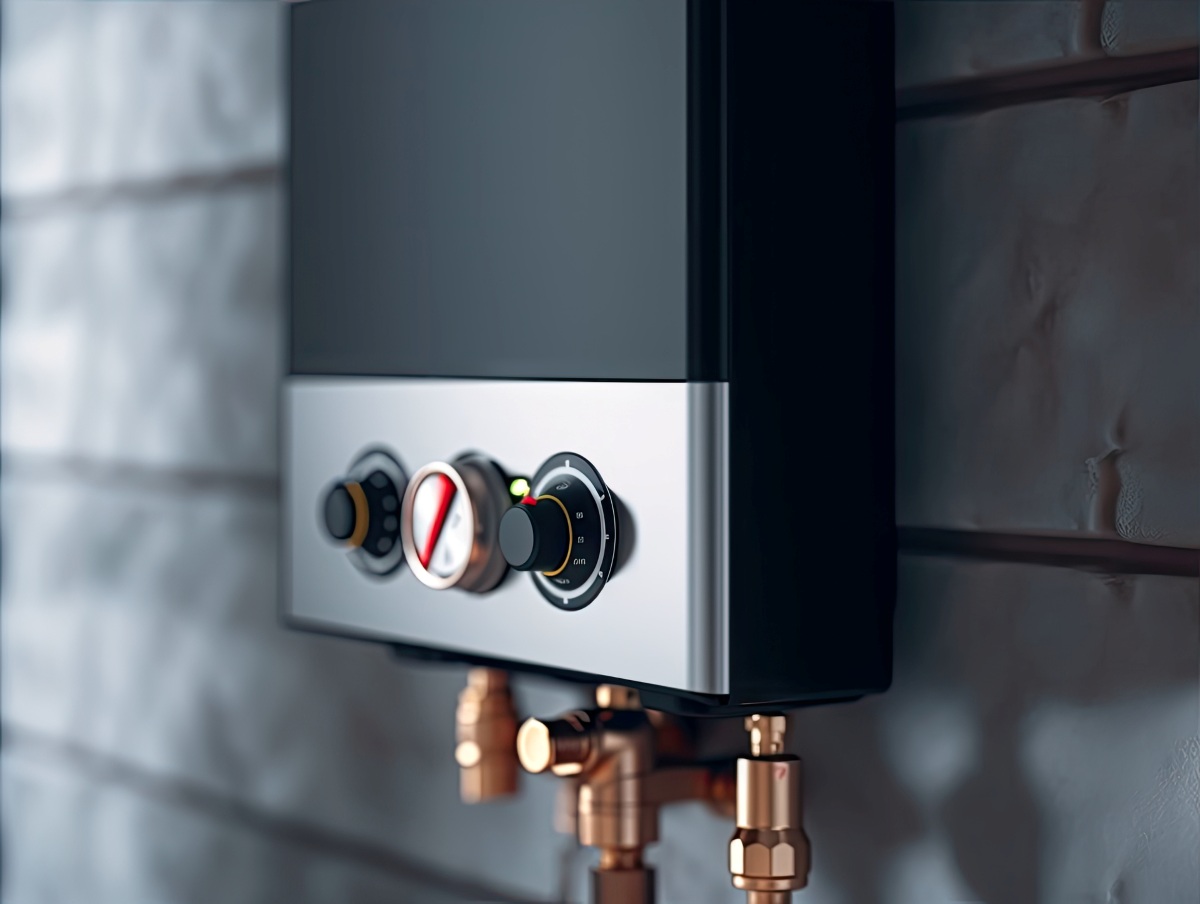
Relying on your boiler's basic timer without programmable thermostats or smart controls means you're probably heating more than necessary - modern controls let you set different temperatures for different times, create heating schedules that match your actual routine, and adjust remotely if plans change.
Basic timer controls are better than nothing but they're crude; heating comes on at set times regardless of weather, occupancy, or how warm the house already is. Smart thermostats learn your patterns, adjust for weather, and can be controlled from your phone; the efficiency improvements typically pay for the thermostat within a year or two. At Mr Central Hearing, we offer compact design with powerful performance radiators that work brilliantly with modern controls to deliver comfort efficiently.
Ignoring Insulation and Draught-Proofing
Throwing heating at a poorly insulated house is like trying to fill a bucket with holes in it - you're constantly replacing heat that's escaping, which is expensive and ultimately futile. Proper insulation and draught-proofing are more cost-effective than upgrading your heating system because they reduce how much heat you need in the first place.
Loft insulation, cavity wall insulation, draught-proofing around doors and windows - these aren't exciting improvements but they typically offer better return on investment than new boilers or radiators. A well-insulated house with an average boiler stays warmer and costs less to heat than a poorly insulated house with an expensive efficient boiler.
Running Hot Water Too Hot
Setting your hot water cylinder to 70°C because hotter must be better wastes energy heating water beyond what's needed - 60°C is hot enough to kill legionella bacteria whilst using significantly less energy to maintain. Every degree above necessary temperature costs you money for no benefit.
Showers and taps mix hot water with cold anyway, so having it scalding at the cylinder just means you're mixing more cold in to make it usable. The exception is if you have a very small cylinder and run out of hot water frequently - in that case, hotter storage gives you more effective capacity by mixing with cold water.
Not Understanding Boiler Pressure
Low boiler pressure causes heating problems but people often don't check it until something obviously isn't working - boilers need pressure between 1 and 2 bar typically, and topping it up when it drops below 1 bar is straightforward. Ignoring pressure issues means your system underperforms or stops working entirely.
Constantly losing pressure indicates a leak somewhere in your system that needs finding and fixing. Some pressure drop is normal (heating systems lose tiny amounts of pressure gradually), but if you're topping up monthly or more, there's a problem requiring professional attention.
Hoping Problems Will Fix Themselves
Strange noises, radiators that won't heat, error codes on the boiler - these don't typically resolve themselves and usually get worse if ignored. Addressing heating issues promptly almost always costs less than waiting until complete failure forces emergency repairs in the depths of winter.
Kettling (a rumbling, bubbling sound from your boiler) indicates limescale buildup affecting efficiency and potentially damaging components. Cold radiators despite the boiler running might mean sludge buildup or valve failures. These issues don't improve with time - they deteriorate until something fails expensively.
The Bottom Line
Most heating mistakes stem from either misunderstanding how systems work or just not thinking about heating until there's a problem - your heating system isn't particularly complicated, but it does have logic that rewards understanding. Thermostats aren't accelerators, leaving heating on low constantly isn't efficient, and maintenance matters.
Simple changes like bleeding radiators, using TRVs properly, and getting annual servicing cost very little but significantly improve efficiency and comfort. Bigger improvements like insulation and modern controls require investment but pay for themselves through reduced fuel bills whilst making your home genuinely more pleasant to live in.
Heating is one of your biggest household costs - spending a bit of time understanding your system and avoiding common mistakes saves hundreds of pounds annually whilst keeping your home properly warm when you actually need it.
FAQs
How often should I bleed my radiators?
Check them annually, typically at the start of heating season - if the top of any radiator is cooler than the bottom, it needs bleeding. After major work on your heating system or if you notice performance dropping, check them again.
Is it cheaper to leave heating on all day?
Almost never in modern well-insulated homes - heating only when needed uses less energy because you're losing heat for fewer hours. Poorly insulated older properties might be exceptions, but even then, better insulation is the real solution.
What temperature should I set my thermostat?
20-21°C for living areas is comfortable for most people, 18-19°C for bedrooms. Each degree lower saves roughly 10% on heating costs, so finding the lowest temperature you're comfortable with saves money without sacrificing comfort.
Why are some radiators hot and others cold?
Usually either air in the system (needs bleeding), sludge buildup preventing circulation (needs power flushing), or balancing issues where some radiators are stealing all the flow from others (needs balancing by adjusting lockshield valves).
How do I know if my boiler needs replacing?
If it's over 15 years old, requiring frequent repairs, has reduced efficiency, or parts are becoming hard to source, replacement probably makes sense. Modern condensing boilers are 90%+ efficient versus 70% for old models.
Should I turn heating off at night?
Depends on your preference - some people sleep better in cooler rooms and use timers to warm up before waking. Others prefer constant temperature. Financially, turning it down or off at night saves money, but comfort matters too.