



Radiators don't have to be boring white rectangles that you try to hide behind sofas - the colour you choose affects how they integrate with your room's design, whether they become a feature or fade into the background, and even how efficiently they heat the space. Getting this decision right means your radiators either enhance your interior or at least don't actively detract from it, which matters when they're such prominent fixtures in every room.
The Default White Option
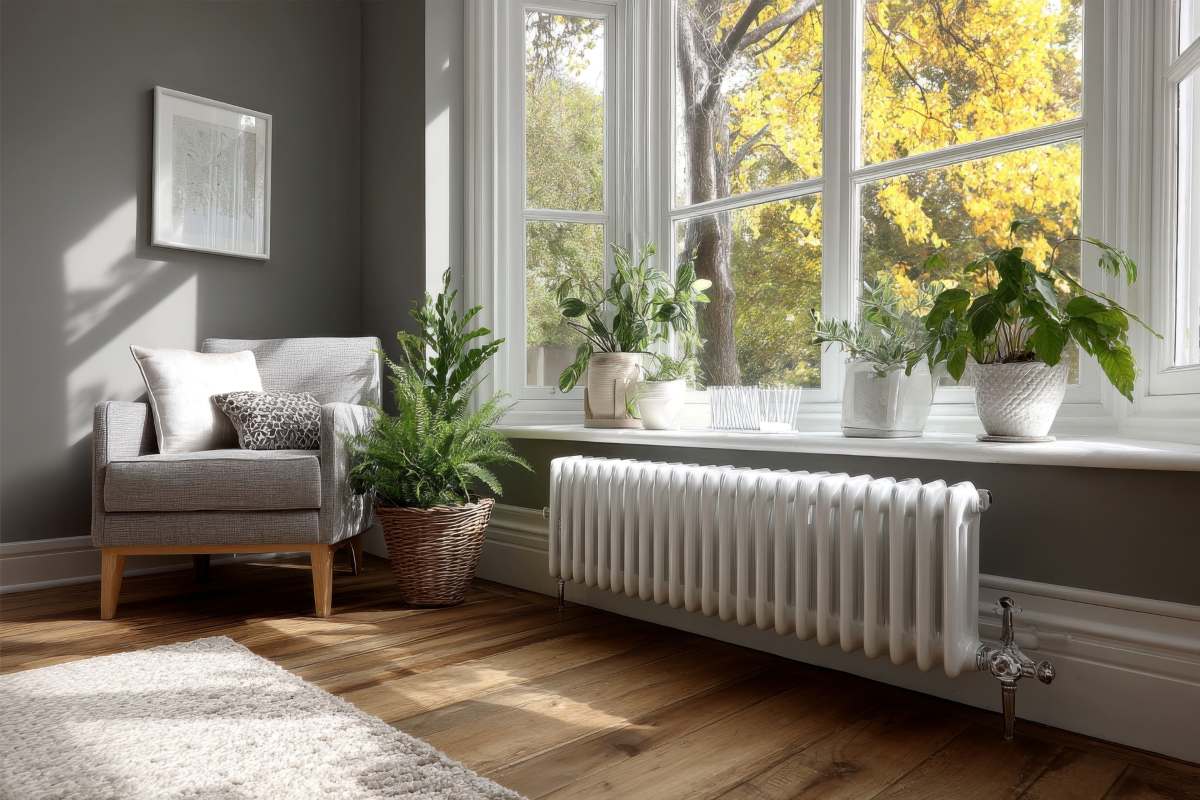
White radiators are ubiquitous for good reason; they're neutral, they match most colour schemes without clashing, and they reflect light rather than absorbing it. In rooms with white or light-coloured walls, white radiators essentially disappear - your eye slides past them rather than registering them as objects demanding attention.
The downside is that white shows dust, marks, and discolouration over time more obviously than darker colours. Radiators near cooking areas or in high-traffic spaces can develop a grubby appearance that needs regular cleaning to maintain. White also feels quite clinical in some design schemes, particularly if you're going for warmer, earthier aesthetics where stark white creates too much contrast.
Black and Anthracite Grey
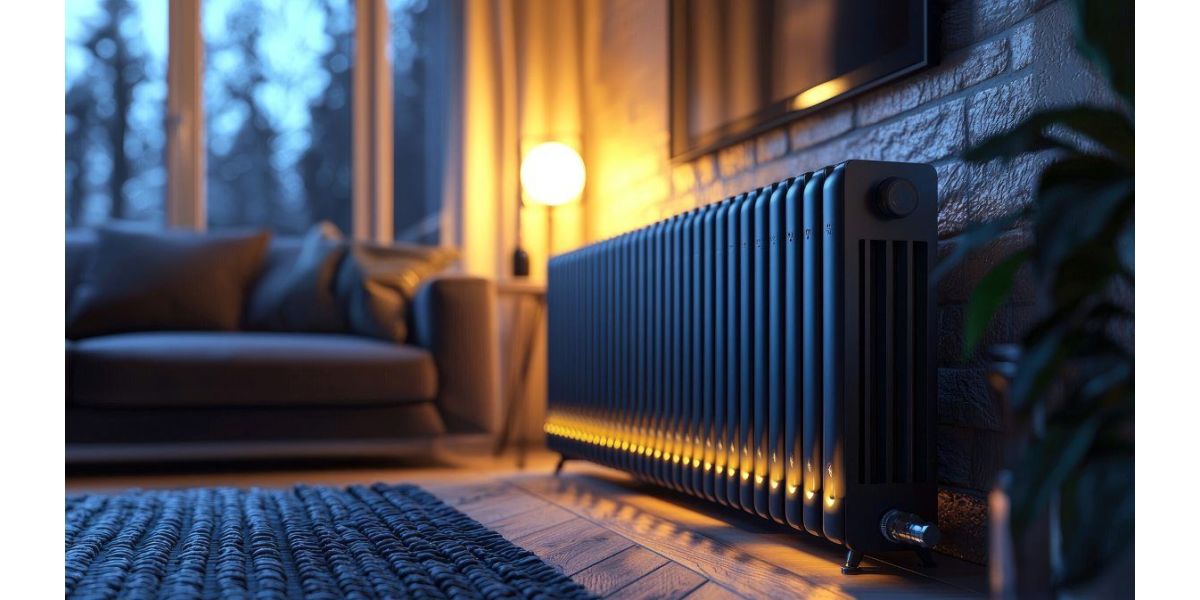
Black radiators have become massively popular in the last few years - they make a statement, they photograph brilliantly for Instagram-worthy interiors, and they work particularly well in contemporary or industrial-style spaces. Anthracite grey sits between black and white, offering drama without quite the starkness of pure black.
Dark radiators can anchor a room visually, creating a focal point that draws the eye deliberately rather than trying to hide the radiator. This works when your radiators are genuinely attractive (like column or designer radiators) but less well with basic panel radiators that aren't particularly interesting objects. In small or dark rooms, black radiators can feel heavy and make the space seem smaller - they need decent room size and natural light to work properly
There's also the heat output consideration. Darker colours absorb and radiate heat slightly more efficiently than light colours - we're talking about 5-10% difference typically, which isn't transformative but it's measurable. If you're borderline on radiator sizing for a room, choosing black might give you that small efficiency boost.
Colours That Match Your Walls
Painting radiators the same colour as your walls makes them essentially vanish - this works brilliantly when you want heating without visual clutter, particularly in rooms where the radiators aren't especially attractive. Sage green radiators against sage walls, navy against navy, whatever your scheme is.
The challenge is getting the paint right. You need proper radiator paint that can handle heat cycling without yellowing, cracking, or peeling - regular emulsion won't cope. Some radiator manufacturers offer custom colours, or you can have standard radiators professionally painted, though both options cost significantly more than buying white and painting them yourself with radiator paint.
Colour-matching can make awkwardly positioned radiators (like ones that break up a feature wall) much less obtrusive. Instead of a white rectangle interrupting your carefully chosen wall colour, you get a radiator that reads as part of the wall surface.
Metallic and Brushed Finishes
Brushed steel, copper, brass, and chrome finishes give radiators a more industrial or luxe appearance depending on the specific finish - brushed steel feels contemporary and minimal; brass or copper can work in more traditional or eclectic schemes. These finishes are particularly effective on column or designer radiators where the radiator itself is visually interesting.
Metallic finishes show fingerprints and water marks more obviously than painted surfaces, requiring more frequent cleaning to maintain their appearance. They're also typically more expensive than standard painted radiators - you're paying for the finish quality and the aesthetic effect.
Chrome and polished finishes reflect their surroundings, which can either be brilliant (reflecting light and making spaces feel larger) or annoying (showing every mark and requiring constant polishing). Brushed or satin finishes are more forgiving whilst still giving you that metallic look.
Bold Accent Colours
Some people paint radiators in accent colours that contrast with their walls - a bright yellow radiator against grey walls, turquoise against white, red in an otherwise neutral room. This deliberately makes the radiator a feature, which only works if your radiators are attractive enough to draw attention to or if you're going for an eclectic, maximalist aesthetic.
Accent colour radiators need confidence to pull off. In small doses (maybe one feature radiator in an open-plan space) they can add personality and visual interest; throughout an entire house they might feel gimmicky or overwhelming. It's also a choice that can date - bold colour decisions that feel fresh now might look tired in five years.
If you're renting or planning to sell, bold radiator colours could be polarising. Not everyone shares your taste, and whilst white radiators offend nobody, bright pink ones definitely will.
Considerations for Period Properties
Traditional homes often look better with radiators that either blend in or actively suit the period aesthetic - column radiators in appropriate colours work beautifully in Victorian or Georgian properties. White or off-white, dark grey, or even deep heritage colours like dark green or burgundy can all work depending on your interior scheme.
Modern minimalist radiators in period properties often look wrong unless the interior has been completely modernised. There's a visual language to different architectural periods, and fighting it rarely produces good results - a sleek chrome panel radiator in a room with cornicing and picture rails creates jarring contrast rather than interesting juxtaposition.
That said, sympathetically chosen contemporary radiators can work in period properties. Twin-panel designs offering greater warmth output in subtle colours integrate well whilst delivering modern efficiency.
Practical Colour Considerations
Lighter colours show less dust but discolour more noticeably over time, particularly if you've got smokers in the house or use candles frequently. Darker colours hide discolouration and marks but show dust more obviously - neither option is objectively better, it depends on your lifestyle and cleaning habits.
Kitchens and bathrooms have specific considerations because of steam, grease, and moisture. Powder-coated finishes resist moisture better than some paints; chrome and metallic finishes can cope with bathroom humidity without problems. Kitchen radiators near cooking areas benefit from colours that won't show grease marks as obviously.
Matching Radiators to Interior Styles
Scandinavian and minimalist interiors typically suit white or light grey radiators that maintain the pared-back aesthetic - anything too bold or decorative fights the simplicity these styles depend on. Industrial and contemporary spaces can handle black, anthracite, or metallic finishes that emphasise the functional, utilitarian aspect of radiators.
Traditional and country-style interiors often look best with white or off-white radiators that don't compete with pattern and texture elsewhere in the room. Eclectic and maximalist schemes have more flexibility - radiators can be bold accent pieces or blend in completely depending on what works with everything else you've got going on.
Mid-century modern spaces sometimes benefit from brushed brass or copper radiators that reference the warm metallic accents common in that era. Getting the finish right makes radiators feel like intentional design choices rather than necessary evils you're tolerating.
The Whole-House Approach
Some people keep all radiators throughout their home the same colour for consistency, whilst others vary them room by room. There's no right answer, though consistent colour creates a more cohesive feel if your home has open-plan elements or rooms that flow into each other visually.
If you're mixing colours, ensure there's logic to it - maybe downstairs radiators are black whilst upstairs are white, or living spaces have feature radiators whilst bedrooms have neutral ones. Random variation without purpose just looks indecisive.
Cost Implications
White radiators are cheapest because they're mass-produced in huge quantities. Anthracite and black are increasingly common so the premium is modest - typically 10-20% more than white. Custom colours, metallic finishes, and special powder coating can add 30-50% or more to radiator costs.
If you're on a tight budget, buying white and painting them yourself with quality radiator paint gives you colour choice without the manufacturer's premium. It requires proper surface preparation and several thin coats, but it's definitely doable and costs maybe £15-20 per radiator in paint.
Key Takeaways
Radiator colour is partly aesthetic and partly practical - darker colours are slightly more efficient but show dust, lighter colours blend easily but can discolour, bold colours make statements that might date. Think about your room's size, natural light, existing colour scheme, and whether you want radiators to be features or disappear.
White remains the safest choice if you're unsure or planning to sell; it offends nobody and works with everything. Black and anthracite give you contemporary style without being too bold, whilst metallic finishes suit specific interior styles beautifully when done right. Match your walls if you want radiators to vanish completely, or choose accent colours if you're confident enough to make them features.
The "best" colour depends entirely on your specific space, style preferences, and practical needs - there's no universal answer, just the right answer for your home. Look at your room, consider how much visual weight you want the radiators to carry, and choose accordingly.
FAQs
Do black radiators really heat better than white ones?
Yes, but only marginally - darker colours absorb and radiate heat about 5-10% more efficiently than lighter colours. It's a real effect but not dramatic enough to base your decision solely on performance.
Can you paint existing radiators yourself?
Absolutely - turn off the heating and let the radiator cool completely, clean it thoroughly, apply primer if needed, then use proper radiator paint in thin coats. Don't use regular emulsion or gloss as they'll yellow and crack with heat.
What colour shows the least dirt?
Mid-tones like grey show marks less obviously than pure white or black - white shows discolouration and marks, black shows dust, whilst grey is more forgiving. No colour is maintenance-free though.
Should all radiators in a house be the same colour?
It's not essential but it usually looks more cohesive, particularly in open-plan spaces or where rooms connect visually. Varying colours can work if there's clear logic to it rather than random choices.
Do metallic finishes cost more to run?
No - running costs depend on heat output and how well your system is controlled, not on the radiator's finish. Metallic finishes don't affect efficiency enough to impact fuel bills meaningfully.
What's the most timeless radiator colour?
White remains the most universally acceptable option that won't date - it worked 50 years ago and it'll work 50 years from now. If you want something with more personality that'll still age well, anthracite grey is probably your safest contemporary choice.