



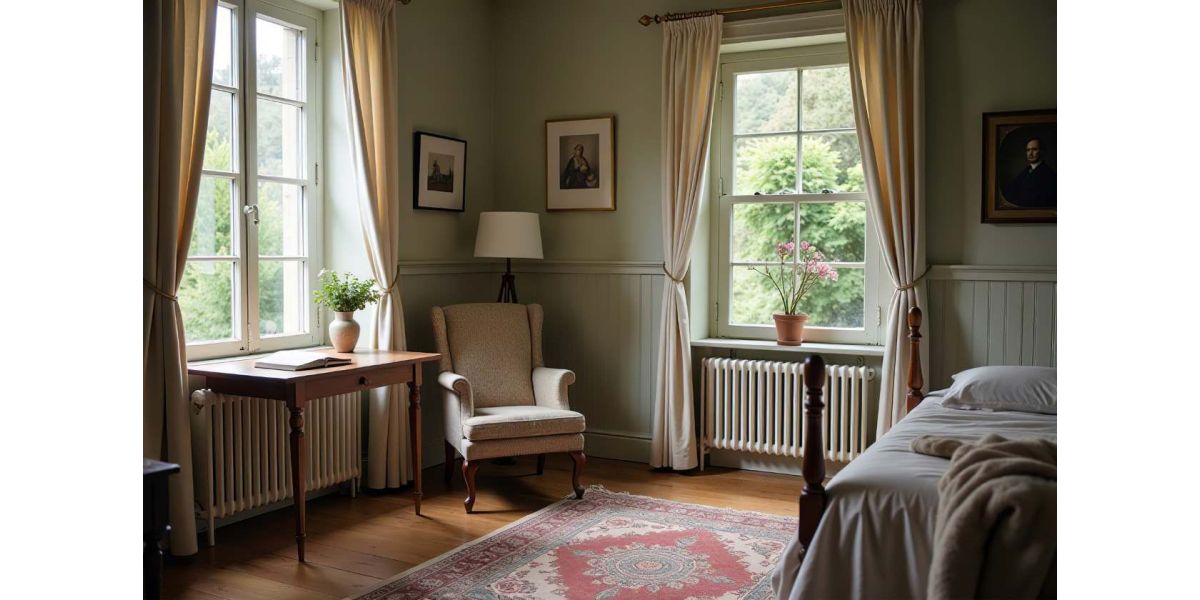
Period properties occupy a unique place in the housing market. Their character, craftsmanship, and architectural detail are hard to replicate. But anyone living in one knows the hidden challenge: maintaining warmth without compromising authenticity. Radiators, in particular, demand careful thought. Too modern a choice, and you risk disrupting the room’s design language. Too old-fashioned, and efficiency plummets. Striking the balance is the real art.
Why Radiator Choice Matters In Older Homes
Heating in period properties isn’t straightforward. Thick stone walls, high ceilings, draughty windows - these homes were built in a different era, long before insulation and airtightness were part of the equation. Not only is heat loss a bigger issue, but the way heat circulates through these rooms can be unpredictable.
That’s why the type of radiator you install matters. It’s not simply about output, though that’s critical. The radiator must also complement the room visually. A Victorian parlour with ornate cornices and carved woodwork won’t sit comfortably with a flat-panel design ripped from a minimalist showroom.
And yet, people often forget: aesthetics can’t come at the expense of efficiency. An underperforming radiator might look the part, but it leaves the homeowner shivering through winter.
What Defines A Period-Appropriate Radiator?
When we talk about radiators that “fit” a period property, we’re usually thinking about design cues. Cast iron column radiators, for example, echo the style of the 19th and early 20th centuries. Their bold, sculptural frames are as much a piece of furniture as they are a heating solution.
Still, there’s nuance here. Some homes demand subtlety. Georgian interiors, with their restrained elegance, might call for slimmer columns. Edwardian spaces, on the other hand, can handle heavier detailing. The trick is to observe the proportions of the room and the lines of its existing architecture.
What’s changed in recent years is manufacturing. You no longer need to rely on salvaged antiques or cumbersome original cast iron. Modern versions replicate the look but with lighter materials, improved efficiency, and easier installation. That’s where traditional heating with a modern twist comes into play.
Efficiency Versus Character: Can You Have Both?
The old assumption was that choosing period-style radiators meant compromising on energy performance. That’s less true today.
Not only are contemporary column radiators more efficient, but many are compatible with modern heating systems, including low-temperature setups like underfloor loops or air-source heat pumps. That makes them versatile in ways their historical predecessors never were.
Still, there’s a valid question: how much better are modern radiators compared with genuine antiques or older units still in use? The answer isn’t always straightforward. Performance varies by material, size, and placement. But broadly speaking, newer radiators heat faster, retain warmth better, and allow more control. For anyone weighing up old vs modern radiators, that distinction matters.
Practical Considerations For Installation
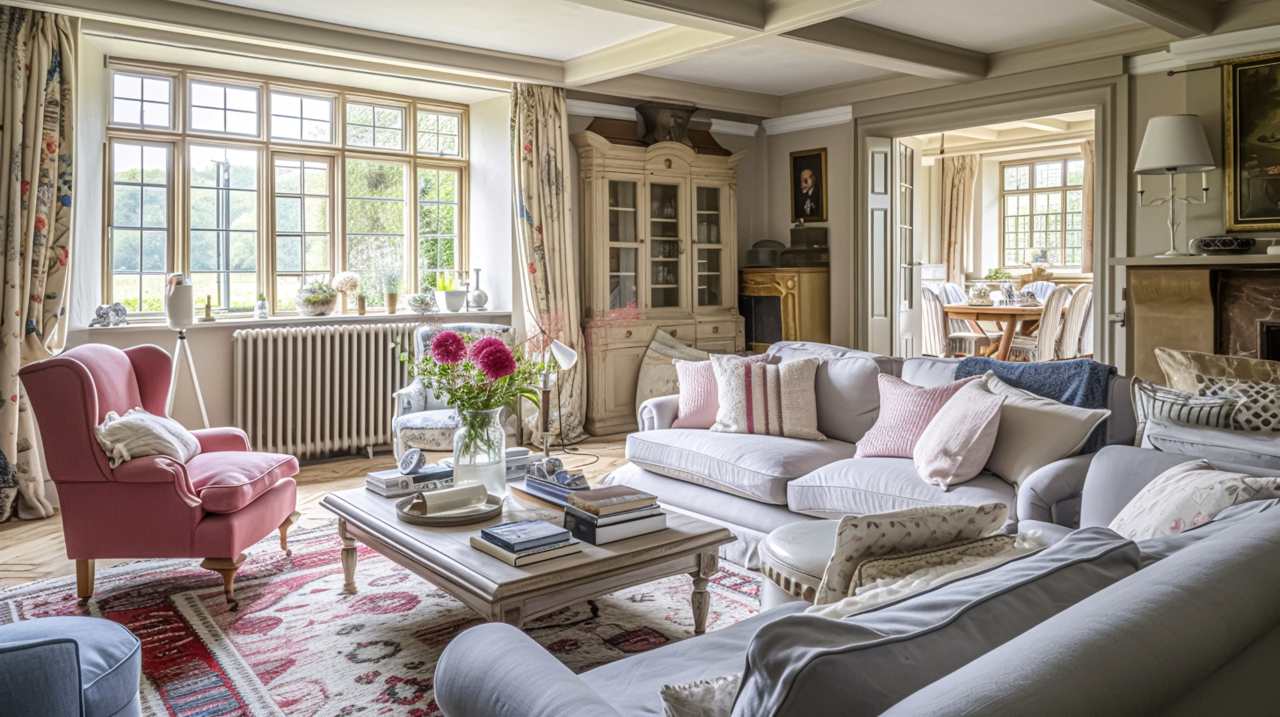
Choosing the right design is only half the battle. Placement and sizing determine whether the radiator actually works in context.
Large sash windows, for example, are notorious for heat loss. Positioning a radiator directly below them offsets the draught, even if it looks unconventional by modern design standards. Similarly, oversized rooms may require multiple radiators to achieve an even spread of warmth.
Then comes the question of system compatibility. Period homes may still have outdated pipework. In some cases, upgrading the boiler or rebalancing the system becomes necessary to get the best out of a new installation. It’s rarely as simple as swapping one radiator for another.
A short checklist might help focus decisions:
- Measure the room accurately and calculate the heat output required (in BTUs).
- Match the radiator’s visual style to the architectural details of the room.
- Ensure compatibility with the existing heating system - or plan for upgrades if needed.
- Consider futureproofing: will the radiator work well with sustainable heating options down the line?
Balancing Restoration With Modern Needs
There’s often tension between preservation and practicality. Owners want to keep the spirit of the building intact, but they also want a warm, efficient home.
One way to navigate this is to think of radiators as transitional objects. They’re both functional hardware and design statements. A well-chosen column radiator, for example, respects the historic context while operating at 21st-century standards. It doesn’t feel like a compromise - it feels like an evolution.
It’s also worth remembering that heating is invisible once in use. People don’t enter a room and analyse the radiator; they feel whether it’s comfortable. The best radiator choice blends into the environment so seamlessly that the house itself seems to do the heating.
When Style Conflicts With Function
Of course, there are limits. Some period radiators, especially authentic cast iron antiques, take too long to heat up and retain too much heat after the system shuts down. That can cause overheating in transitional weather. Others may simply be too bulky for modest-sized rooms, where they overwhelm the space rather than enhance it.
This is where homeowners often hit the crossroads. Do you prioritise absolute authenticity, even if it costs more in running expenses? Or do you accept a slightly adapted design in exchange for comfort and lower bills?
There isn’t a universal answer. Some owners embrace the imperfections because they see them as part of the building’s character. Others prefer efficiency, trusting that sympathetic modern replicas are enough to keep the period feel intact.
The Bottom Line
Choosing the right radiator for a period property is as much about respect as it is about performance. Respect for the building’s character, certainly - but also respect for the reality of modern living. Not only do homeowners want warmth, but they also need efficiency, sustainability, and long-term reliability.
The decision doesn’t have to be an either - or. With today’s options, it’s possible to select radiators that echo historic design while meeting contemporary demands. Think of it less as a compromise and more as continuity: a way of ensuring that homes built centuries ago remain liveable today, tomorrow, and well into the future.