



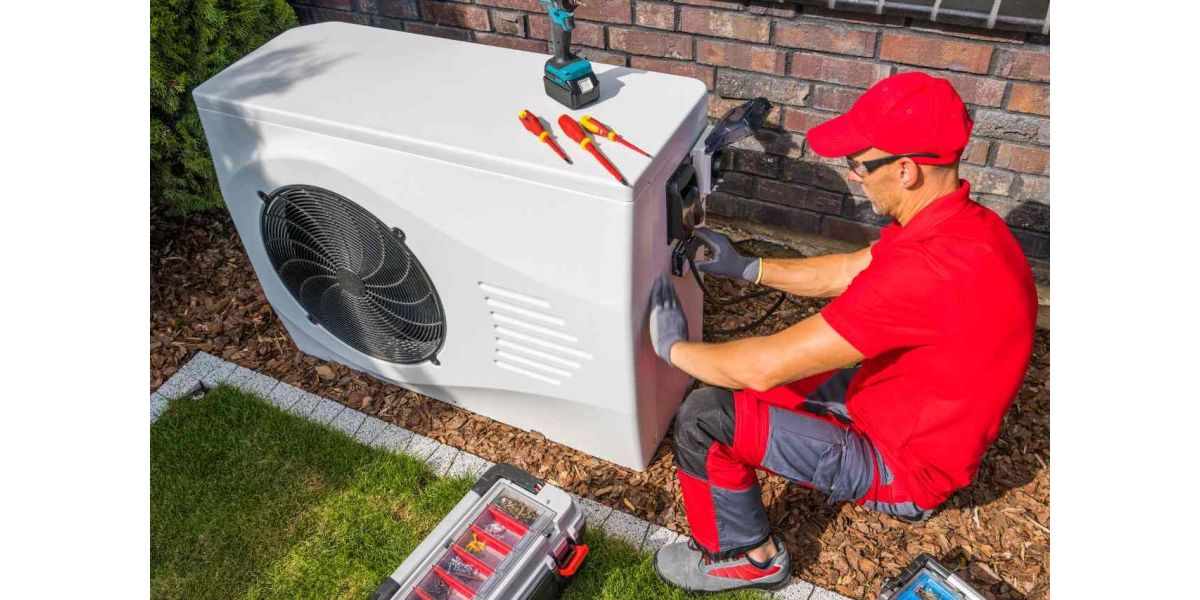
A heat pump is supposed to be the dependable backbone of a modern home’s heating strategy. Quiet, efficient, and often paired with renewable energy sources, it promises a steady indoor climate with relatively low running costs. But when you go to switch it on and nothing happens - no hum, no airflow - the frustration builds quickly. A non-responsive unit isn’t always a disaster, though. In many cases, the problem is something simple that can be resolved without a service call.
This guide explores what to check if your heat pump is refusing to start, why those issues arise, and when it’s time to bring in professional help.
Why Would A Heat Pump Refuse To Start?
There isn’t one universal cause. Heat pumps are complex machines that rely on electrical input, refrigerant flow, sensors, and thermostats all working together. If any part of that chain fails, the system won’t operate.
Not only is a failed start inconvenient, but it also signals wasted energy. A unit sitting idle in cold weather forces households to turn to less efficient alternatives, whether that’s portable heaters or excessive reliance on electric resistance coils.
The causes usually fall into a handful of categories: electrical supply issues, thermostat misreadings, blocked airflow, mechanical faults, or built-in safety lockouts. Understanding these categories helps narrow down the checklist.
Is The Power Supply Intact?
The first step is painfully obvious, but worth repeating: is the heat pump receiving power? A tripped breaker or blown fuse cuts the supply instantly. It’s surprising how often a sudden power surge or storm causes the system to go offline without owners realising.
Check the main electrical panel. If the breaker has tripped, reset it once. If it immediately trips again, the fault is deeper and requires inspection by a technician.
Loose wiring is another culprit. Outdoor units are exposed to weather, and connections can degrade. Even small voltage inconsistencies prevent the system from starting safely.
Could The Thermostat Be Misleading You?
The thermostat isn’t merely a temperature sensor - it’s the command centre. If it’s miscalibrated, poorly located, or running on a dead battery, it sends no start signal.
A common oversight is forgetting that programmable thermostats rely on battery power. If the screen is blank or dim, replace the batteries before assuming the pump itself is faulty.
Placement matters as well. A thermostat installed near a drafty window or in direct sunlight gives inaccurate readings, which can trick the heat pump into idling when the rest of the house feels cold.
Not only is thermostat mismanagement frustrating, but it often causes unnecessary call-outs. Many service engineers report that incorrect thermostat settings remain one of the most frequent non-mechanical reasons for “system failure.”
Could Airflow Restrictions Be The Problem?
Airflow is central to heat pump operation. Without proper circulation, refrigerant cannot absorb or release heat effectively. Blocked filters, obstructed vents, or ice accumulation on the outdoor coil will all prevent startup.
It’s worth checking:
- Filters should be cleaned or replaced regularly - clogged filters trigger automatic shutdowns.
- Outdoor units need clearance from leaves, debris, and snow. Even a pile of autumn leaves pressed against the intake grille can stop airflow.
- Ice build-up on the coil is a sign of defrost cycle issues. Left unchecked, the unit may refuse to start altogether.
What About Internal Safety Lockouts?
Modern heat pumps are designed with self-protective logic. When sensors detect abnormal conditions, the system locks out rather than risk a compressor failure. These safety routines are useful, but they also leave homeowners staring at a silent machine.
Error codes appear on the thermostat display or on the unit’s control board. They give direct clues: low refrigerant pressure, faulty temperature sensors, defrost issues, or fan motor errors. Before calling a technician, decoding the error message can reveal whether the fix is as minor as clearing a blocked vent or as serious as a refrigerant leak.
Still, a lockout is rarely random. If the system has chosen to shut itself down, it’s reacting to a real signal. Resetting without identifying the cause risks permanent damage.
When Mechanical Faults Take Over
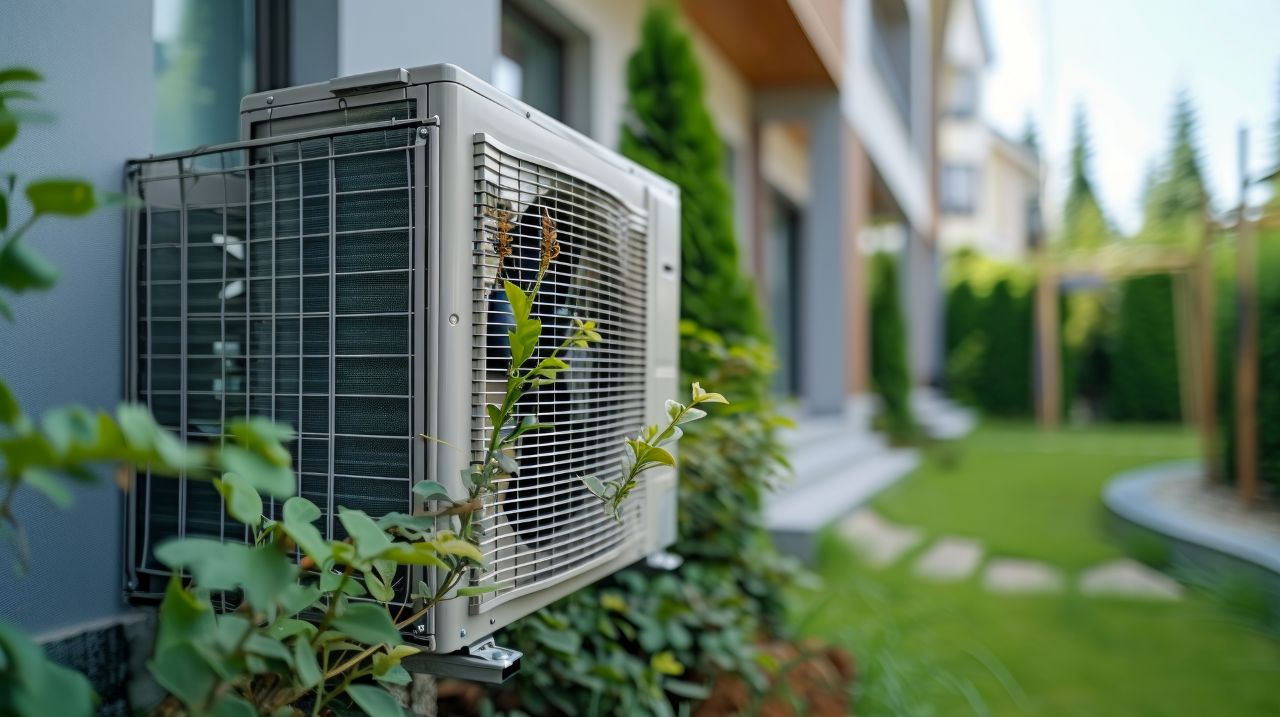
If the basics check out - power, thermostat, airflow - but the unit still refuses to run, mechanical issues are more likely. Compressors can seize. Contactors (the switches that allow voltage to flow) sometimes weld shut or fail open. Capacitors, which provide the electrical boost motors need to start, are notorious for wearing out.
These failures generally require spare parts and technical knowledge. Attempting to replace capacitors or test live electrical components without training is unsafe.
And then there’s refrigerant. If the system has lost pressure due to a leak, sensors will prevent it from operating. Only certified technicians are legally permitted to handle refrigerant gases, which rules out DIY repair.
Should You Call A Professional Immediately?
Not necessarily. The point of a careful checklist is to avoid unnecessary costs. But hesitation is risky too. Waiting too long, particularly in freezing conditions, places stress on the rest of the property. Frozen pipes, uncomfortable living spaces, and reliance on costly backup heaters quickly outweigh the call-out fee.
Arguably, the dividing line is simple: if the issue is external (filters, thermostat settings, breaker switches), handle it yourself. If it’s internal (refrigerant, electrical components, compressor), it’s time to schedule a service.
Is A Heat Pump Still The Right Choice?
A stubborn start-up failure may prompt some homeowners to wonder whether heat pumps are worth the trouble. But in most cases, once the underlying fault is corrected, reliability returns.
It’s also worth remembering that heat pumps remain one of the most efficient forms of domestic heating. They move heat rather than generate it, which cuts energy use dramatically compared with conventional boilers. For those aiming to adopt a heating system for energy-conscious living, the occasional fault doesn’t erase the overall benefits.
Maintenance, though, is non-negotiable. Filters must be kept clean, coils inspected, and thermostats monitored. Just as a car engine needs oil and servicing, a heat pump requires attention to operate at peak performance.
Final Thoughts
A heat pump that won’t turn on can feel like a major breakdown, but often the explanation is mundane: a tripped breaker, an unresponsive thermostat, a blocked filter. Not only are these checks quick, but addressing them early prevents cascading damage to more expensive components.
If the system still refuses to run after going through the basics, it’s safer to call in a professional. Internal components and refrigerant circuits are not DIY territory.
The bigger picture remains positive. Heat pumps continue to offer efficiency, lower emissions, and stable indoor comfort. A single silent morning doesn’t negate the value they bring - it just highlights the importance of regular care and timely troubleshooting.