



The conversation around sustainable home heating has moved quickly in recent years. Where once gas boilers dominated without question, the urgency of cutting energy costs and emissions has shifted attention to alternatives. Among them, heat pumps are no longer niche - they are being pushed into the mainstream by both policy and consumer demand. But with the market expanding, and more manufacturers offering competing models, the question becomes: which brands are worth serious consideration? Reliability, efficiency, cost, and long-term support are not equal across the board.
This overview highlights seven heat pump brands in the UK that stand out for different reasons. Some are recognised for premium performance, others for affordability, and a few for technical innovation. The landscape isn’t static, but these names consistently come up when professionals and homeowners discuss systems that deliver.
Why Do Heat Pump Brands Matter?
It might seem tempting to assume all heat pumps perform the same function, so the badge on the casing is secondary. Yet the reality is more complex. Not only is brand choice tied to efficiency, but it can also shape long-term running costs and even resale value. A well-regarded name signals to future buyers that the system is trustworthy.
And beyond perception, brand support plays a role. Access to spare parts, quality of warranties, and the availability of engineers trained in specific models can make the difference between a smooth experience and persistent headaches. Heat pump technology isn’t plug-and-play; it requires integration with property design, insulation levels, and usage patterns. That’s why brands matter - they reflect years of engineering refinement and service infrastructure.
Mitsubishi Electric
Mitsubishi Electric has become almost synonymous with reliable heat pump performance in the UK. Known for its Ecodan range, the company built its reputation on balancing efficiency with durability. What separates Mitsubishi from some competitors is its ability to maintain efficiency even in colder conditions, a vital consideration for homes in the northern parts of Britain.
The systems are not the cheapest upfront, but many installers note their lower failure rates. Long warranties also add reassurance. For households prepared to prioritise reliability over the lowest initial cost, Mitsubishi Electric often rises to the top of the list.
Daikin
Daikin is another heavyweight in this space, with a global reputation that extends far beyond heat pumps. In the UK, the Altherma line has been a strong performer. The brand is known for technical refinement and energy efficiency ratings that consistently rank near the top.
Not only is Daikin praised for its quiet operation, but the company also invests heavily in training networks, ensuring engineers understand the products in depth. For homeowners, that means easier access to skilled maintenance. Cost can be on the higher side, but many consider it an investment in peace of mind.
Samsung
Samsung’s presence in heating solutions surprises some, but the brand has carved out an impressive position. Its EHS Monobloc systems are particularly popular. Compact designs appeal to smaller UK homes, where outdoor space for installation is limited.
Samsung models tend to be competitively priced, which helps them appeal to first-time adopters of renewable heating. And while the company is more associated with consumer electronics, its engineering strength translates effectively to HVAC technology. The support network is growing, making Samsung an increasingly viable contender.
Vaillant
A familiar name in the boiler market, Vaillant has leveraged its UK reputation to expand into heat pumps. The aroTHERM range is the headline act. Customers often cite ease of integration with existing Vaillant controls, which simplifies the transition for those already using the brand.
Vaillant’s edge lies in trust. It has operated in the UK heating industry for decades, so warranties and aftercare feel less risky compared with newer entrants. It may not always match the cutting-edge efficiency of premium models, but as a balance of reliability and brand familiarity, Vaillant stands out.
LG
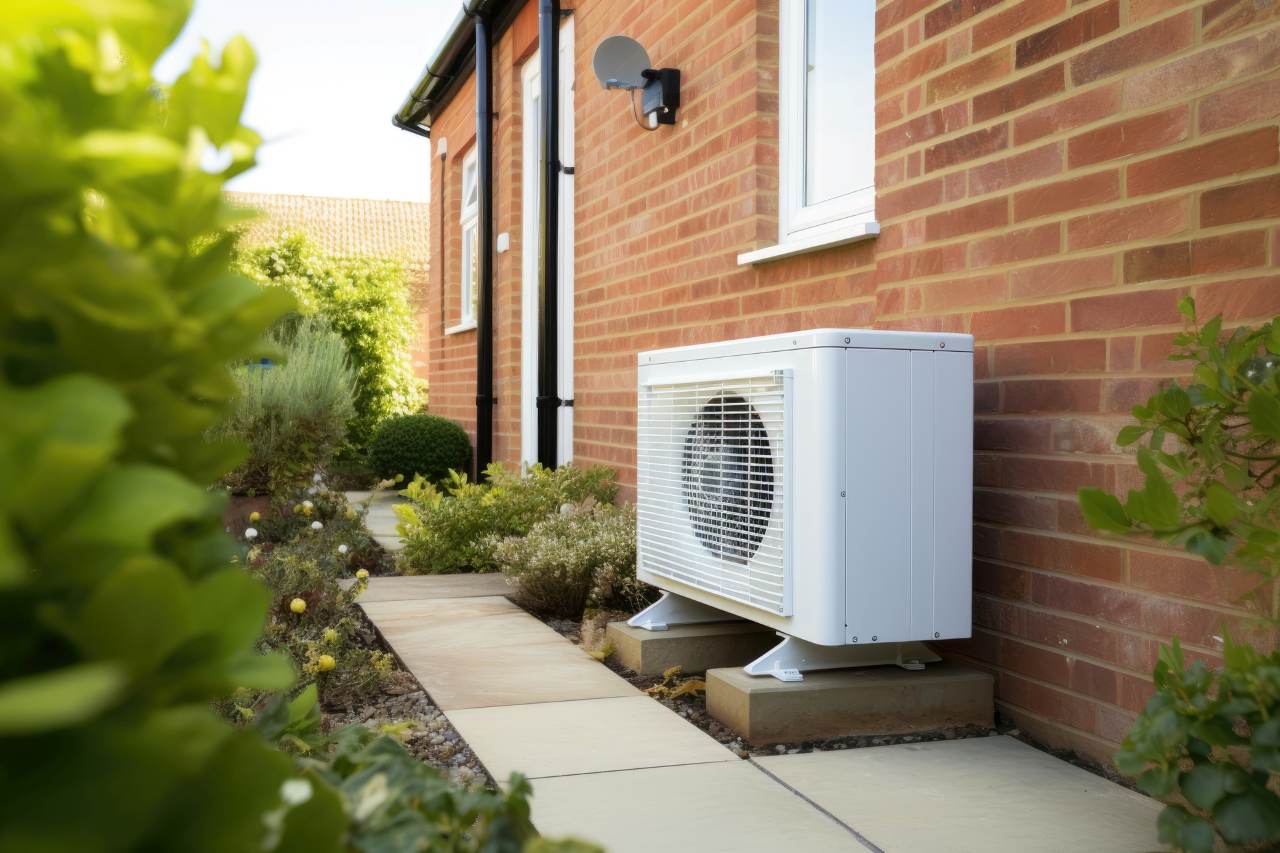
LG’s air-to-water heat pumps are gaining traction. The company positions its units as user-friendly, with straightforward interfaces and compatibility with smart home setups. For tech-focused households, this integration is attractive.
Energy efficiency ratings are strong, and the systems are often available at mid-range prices. While LG is not yet as entrenched in the UK heating market as Mitsubishi or Daikin, its reputation in electronics and consumer trust should not be underestimated. Many see LG as a brand bridging accessibility with innovation.
NIBE
Swedish manufacturer NIBE has long been a respected name in renewable heating. In the UK, its systems appeal strongly to rural homeowners with larger properties. That’s because NIBE specialises in models designed for colder climates, making them well-suited to off-gas-grid locations.
The technology is efficient, but the upfront costs can be higher. Still, for those seeking resilience and high performance in demanding conditions, NIBE is often a brand professionals recommend. Its presence in the UK is growing steadily, with more trained installers becoming available each year.
Hitachi
Hitachi’s offerings are less visible in mainstream advertising but are respected by many in the industry. Its heat pumps deliver dependable performance and are frequently chosen for commercial and multi-residential projects. In the domestic sector, Hitachi appeals to homeowners who want solid, unfussy systems that do the job without unnecessary complexity.
Pricing is competitive, and reliability records are strong. Hitachi may not always be the first name that comes to mind for UK buyers, but those who do opt for it often appreciate the long-term consistency.
Considering The Costs And Transition
Choosing a brand is only part of the process. Installation complexity and property suitability have equal weight. It’s worth noting that the heat pump installation cost varies widely depending on home size, insulation, and existing infrastructure. A highly efficient unit from a premium brand may not deliver its potential if installed in a poorly insulated building.
That’s why professionals stress a holistic approach: consider not just the sticker price of the heat pump, but the broader project. In some cases, upgrading insulation and radiators may be just as critical as selecting the right brand.
When To Upgrade
For many households, the trigger point is when an existing boiler reaches the end of its useful life. Rather than sinking money into another fossil fuel system, the argument is to switch to more efficient systems. Timing matters; grants and government incentives fluctuate, and demand for installers can surge, stretching lead times.
The decision isn’t straightforward, but with energy prices unpredictable and environmental targets tightening, delaying the shift becomes harder to justify.
Key Takeaways
Heat pump brands in the UK are not interchangeable; each brings different strengths. Mitsubishi and Daikin dominate with proven performance, Vaillant reassures with trust and legacy, Samsung and LG focus on accessibility and innovation, while NIBE and Hitachi target specific niches.
Not only is the choice about efficiency, but it also shapes long-term comfort, running costs, and property value. The right brand, installed properly, can turn a house into a genuinely future-ready home heating system.