



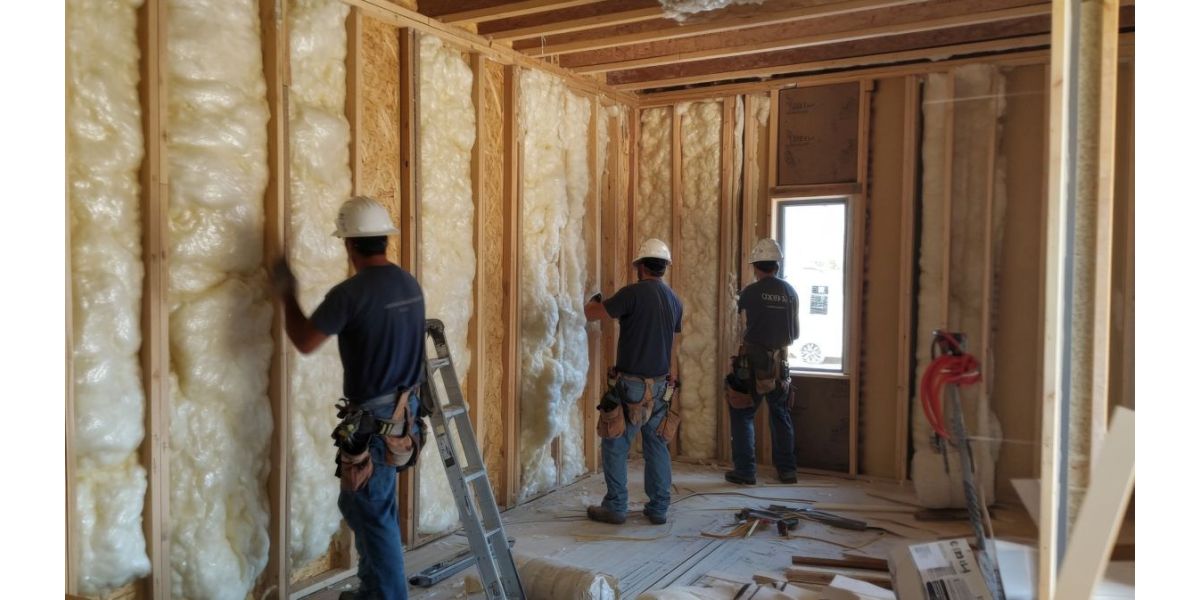
When planning a new heating system or upgrading old radiators, most homeowners focus on style, size, and placement. But before any of that, there’s one factor that makes a bigger difference than you might expect: insulation.
How well your home retains heat will directly affect the size of the radiator you need - and in some cases, how many radiators you’ll require to keep the space comfortable.
In this article, we will explore how your home’s insulation affects the size of radiators you need and what to consider before choosing your new radiators. But before we do that, let’s first take a look at why insulation matters when it comes to radiator sizing.
Why Insulation Matters for Radiator Sizing
Radiators don’t just heat the air; they work to replace the heat your home loses throughout the day. If your insulation is strong, very little heat will manage to escape, which means your heating system doesn’t need to work as hard. But if insulation is lacking, radiators must produce more heat to compensate for the loss.
This is why insulation and radiator sizing go hand in hand. The more heat a property loses, the more heat it requires to stay warm. Factors that influence heat loss include:
- Wall insulation
- Loft insulation
- Floor insulation
- Window glazing
- Draught-proofing
- The age and structure of the property
Older homes tend to lose heat more quickly unless they’ve been upgraded. Newer homes built to modern standards usually require less heating power overall.
How Heat Loss Determines Radiator Output
Radiator sizing isn’t guesswork - it’s based on calculating the BTU (British Thermal Unit) requirement for each room. This figure reflects how much heat is needed to maintain a comfortable temperature. Insulation levels play a major role in this calculation. A typical example:
- A modern, well-insulated bedroom may only need a small radiator with a moderate BTU output.
- An older, poorly insulated living room with large windows may need one or two larger radiators with significantly higher output.
This is why two rooms of identical size can require completely different radiators depending on their quality of insulation.
Wall Insulation: The Biggest Contributor
Walls make up a huge percentage of your home’s surface area. If they’re poorly insulated, a lot of heat can escape through them.
Solid-wall homes, especially those built before the 1930s, lose heat more quickly than cavity-wall homes unless retrofitted with insulation. If your walls allow heat to escape, you’ll need radiators with higher BTU output to keep the space comfortable.
Improving wall insulation can noticeably reduce the radiator size you need, lowering long-term energy use without compromising comfort.
Loft Insulation: Small Upgrade, Big Impact
Heat rises, so an uninsulated loft is one of the quickest ways to lose warmth. Loft insulation is one of the most affordable upgrades and has one of the greatest impacts on radiator sizing.
A poorly insulated loft can require a radiator to work significantly harder, particularly in upstairs rooms. Once the loft is insulated properly, your heating system can operate more efficiently, and you may find you no longer need oversized radiators to compensate.
Windows and Glazing

Windows are another major source of heat loss, especially in older homes. A room with single glazing or large panes of glass will need more heating power than the same room fitted with modern double or triple glazing.
If you have a large open-plan area with big windows or patio doors, radiator sizing becomes even more important. Upgrading glazing or adding thermal curtains can help reduce the heat required and allow for smaller radiators.
Floors and Draught-Proofing
Heat also escapes downward, particularly in homes with suspended timber floors. Gaps in skirting boards, unused fireplaces, and old door frames can all contribute to colder rooms that need higher-output radiators.
Seal these draughts or insulate floors, and you’ll notice rooms warm up faster and radiators don’t need to be oversized.
How Insulation Levels Affect Radiator Choice
Once you understand the insulation level of your home, choosing the right radiator becomes much easier. Radiators with higher BTU outputs are suitable for homes with notable heat loss, while those with lower BTU outputs are ideal for more energy-efficient houses.
For example:
- A well-insulated room might only need a slim vertical radiator
- A poorly insulated room may need a larger double-panel radiator or even multiple units
- Homes with mixed insulation levels might require different types of radiators from room to room
This is why many homeowners find it helpful to calculate heat loss for each room before making any purchases. To help you do the same, we have written a dedicated article that will help you decide how many radiators you should buy to keep your home warm and comfortable.
Style Versus Efficiency
Choosing radiators isn’t just about heat output - you also want something that fits your interior. Thankfully, many modern radiators combine aesthetics with strong performance, so you don’t need to compromise.
For spaces where style matters just as much as heating, look for elegant heating solutions that complement your décor while still delivering the output you need for your living space.
Column radiators are a great example. Their large surface area allows them to heat spacious rooms effectively, while their classic look works beautifully in both modern and traditional homes.
Should You Improve Insulation Before Choosing Your Radiators?
If you have the budget to do so, improving insulation first is often more cost-effective in the long run. A well-insulated home stays warm with lower-output radiators, which tend to be smaller, more efficient, and cheaper to run.
However, if insulation upgrades aren’t feasible, choosing the right radiators becomes even more important. In those cases, working with accurate BTU calculations ensures you select radiators powerful enough to keep your home comfortable.
Final Thoughts
Insulation has a major influence on the size and number of radiators your home needs. A well-insulated property can rely on smaller radiators with lower heat output, while homes with poor insulation require more powerful units to maintain the same level of warmth.
Before choosing new radiators, take a closer look at your home’s insulation - from walls and lofts to windows and floors. Once you understand how much heat your home retains, you can select radiators that provide efficient, comfortable heating all year round.