



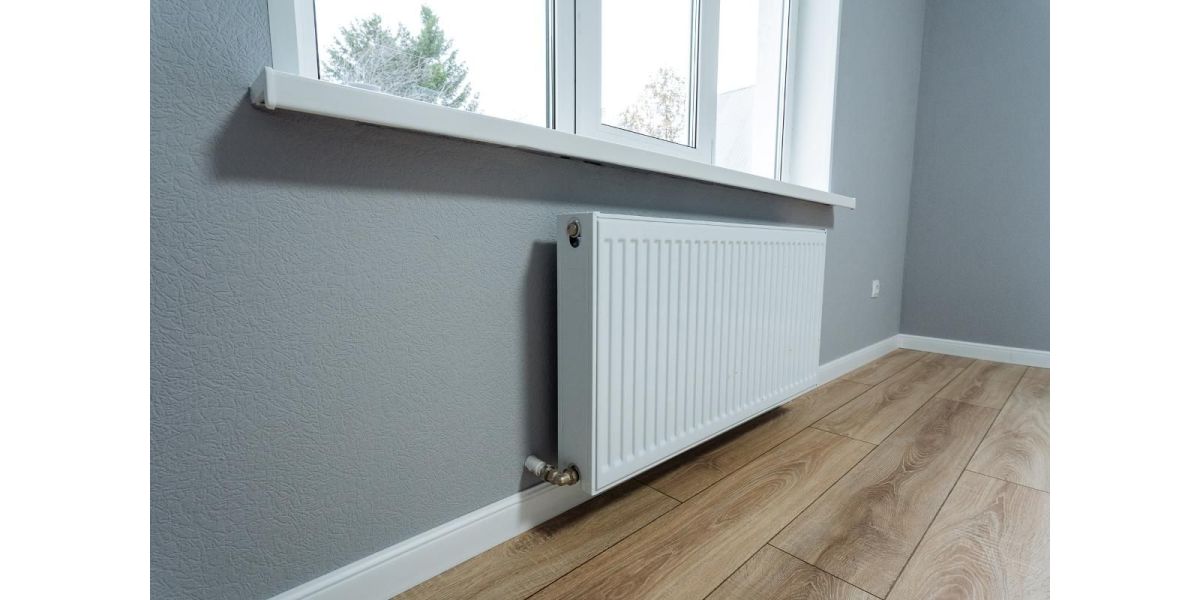
If you’ve ever shopped for a radiator or planned a replacement, you’ve probably noticed the term pipe centres popping up everywhere. It’s one of those bits of heating jargon that seems straightforward at first, but quickly leads to questions once you start measuring things around the home.
The truth is, understanding pipe centres is essential if you’re buying a new radiator or upgrading an existing one. It determines how your radiator connects to the pipework in your home, and getting it wrong can lead to awkward gaps, messy pipe adjustments, or a longer installation than you expected.
Let’s break down what pipe centres really are, how to measure them accurately, and why they matter when choosing your next radiator.
What Are Pipe Centres?
Pipe centres refer to the distance between the two pipes that feed into a radiator. These pipes usually run vertically from the floor or horizontally from the wall, connecting to the radiator valves on either side.
In simple terms, pipe centres tell you where your existing pipework sits, and whether your new radiator will line up with it.
Manufacturers usually list pipe centres in millimetres, and it’s one of the main measurements you’ll see in a radiator product description. Once you understand what it represents, choosing the right size becomes much easier.
Why Pipe Centres Matter When Replacing a Radiator
When you replace a radiator like-for-like, matching pipe centres will save you time, money, and hassle. If the new radiator’s pipe centres fall in the same position as your current one, your existing valves and pipework should line up neatly without needing any modification.
If they don’t match, you may need:
- Extended pipework
- Valve adjustments
- New brackets or mounting locations
- Floor or wall alterations
None of these are dealbreakers, but they can extend the installation time and add extra cost to the project. That’s why measuring pipe centres correctly is so important.
Whatever the case might be for you, we always recommend giving our guide to replacing radiators a read so you know what to expect and how to plan ahead.
How to Measure Pipe Centres on an Existing Radiator
Measuring pipe centres is straightforward once you know what to look for. You don’t need specialist tools - just a tape measure and a clear view of the valves. Here’s the simplest method:
Step 1: Identify the valve connection points
On most radiators, valves sit on either side at the bottom. These are the points where your hot water pipes connect.
Step 2: Measure valve to valve
Place your tape measure at the centre of one valve connection and extend it to the centre of the valve on the other side. The distance between those two central points is your pipe centre measurement.
Step 3: Double-check for angled valves
If your radiator has angled or corner valves, try to visualise the centre of the connection point rather than measuring from the outer edge. Getting this as accurate as possible will help ensure your new radiator lines up properly.
Step 4: Note the measurement in millimetres
Radiator listings typically use millimetres, so it helps to take measurements in the same unit to avoid confusion. For example, if your existing radiator has pipe centres of 600mm and you choose a new one with the same figure, installation should be fairly straightforward.
How Pipe Centres Relate to Radiator Width
While it’s tempting to assume the pipe centres match the width of a radiator, the relationship isn’t always exact. Radiator width and pipe centres often differ slightly because of the valve spacing and the position of the brackets.
Manufacturers usually provide a clear pipe centre measurement alongside the radiator width. For example:
- A 500mm-wide radiator may have pipe centres of 564mm
- A 600mm-wide radiator may have pipe centres of 654mm
The difference accounts for the valve inlets that sit beyond the edge of the radiator body. This slight extension is why relying solely on radiator width can lead to installation surprises.
What If Your New Radiator Doesn’t Match the Pipe Centres?
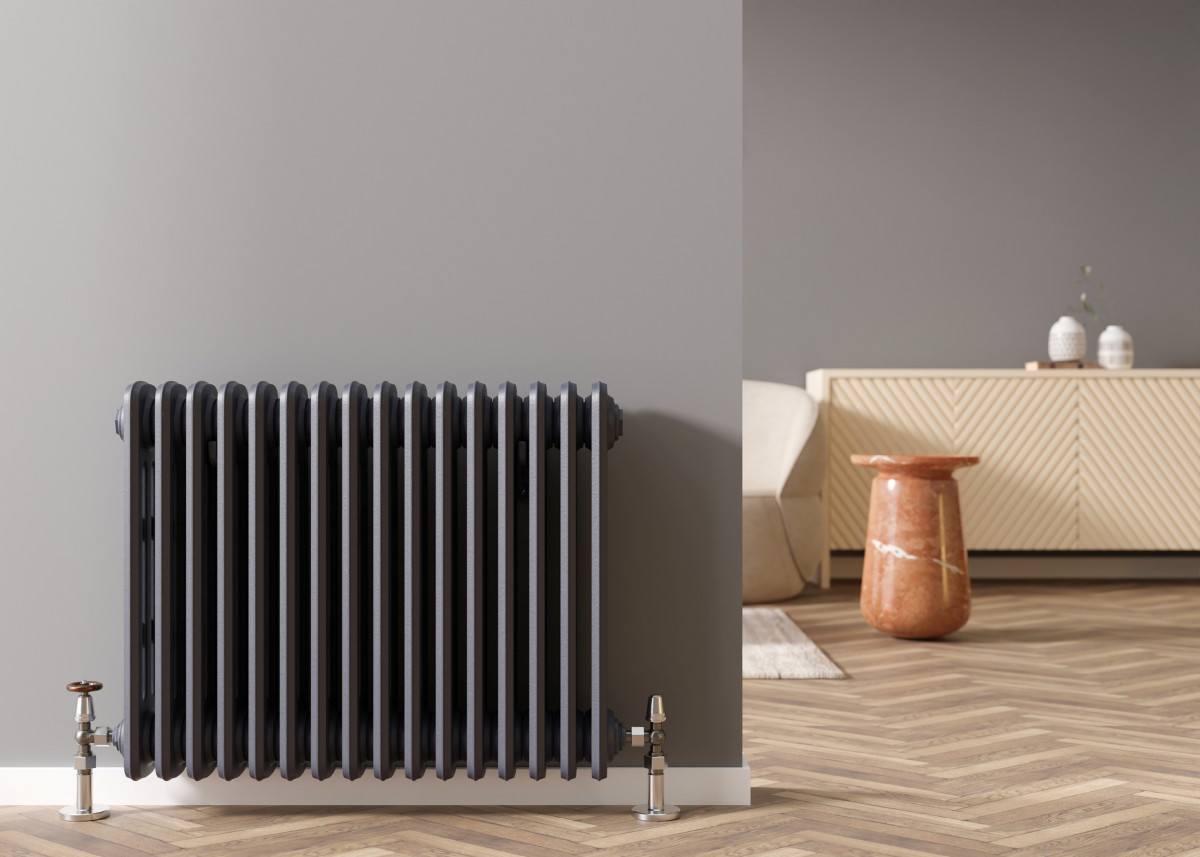
Sometimes you find the perfect radiator in terms of style, colour, heat output, but the pipe centres don’t match your existing setup. This isn’t necessarily a problem, but it does mean your pipework may need adjusting. In such a case, installers can:
- Extend or shorten pipe runs
- Shift pipe exits in the floor
- Add offset fittings
- Install adjustable valves
These tweaks allow you to choose radiators based on design and performance rather than being restricted by existing pipework.
Vertical Radiators and Pipe Centres
Vertical radiators are increasingly popular for saving wall space and adding a modern touch to rooms. Their pipe centres work in the same way as horizontal radiators, but because they’re taller and narrower, the centre-to-centre measurement is often much closer to the radiator’s overall width.
However, the same rule applies: always check the listed pipe centres rather than assuming it matches the width. Vertical models can have valve positions at the bottom, side, or even angled, depending on the design.
Wall Versus Floor Pipework
Pipe centres behave slightly differently depending on where the pipes enter the radiator.
Floor-fed pipework
This is the most common setup in older homes. Pipes emerge from the floor and connect straight up into the radiator valves. With this layout, pipe centres must match quite closely if you want a tidy finish.
Wall-fed pipework
Pipes enter horizontally through the wall. This offers more flexibility because pipework can often be adjusted inside the wall or boxed-in space. Pipe centres still matter, but minor discrepancies are easier to correct discreetly.
Understanding your pipe entry style helps you determine how much flexibility you have when choosing replacement radiators.
Measuring Pipe Centres on a New Radiator Before Installation
If you’ve ordered a new radiator and want to check the measurements before installation, you can measure the pipe centres directly from the radiator itself. Simply measure from the centre of one valve inlet to the centre of the opposite valve inlet.
This will confirm that the model matches the specifications listed online and allows you to prepare the pipework in advance.
Final Thoughts
Pipe centres might sound technical, but once you understand what they represent and how to measure them, choosing the right radiator becomes much simpler. Whether you’re replacing one radiator or upgrading your whole heating system, getting this measurement right ensures a smooth installation and a cleaner finish.
By measuring carefully and checking manufacturer specifications, you can avoid unnecessary pipework changes and select radiators that fit both your layout and your home’s heating needs.
And if you decide to go for high-output models for fast, even warmth or radiators with a more ambitious design, a qualified installer can make the small adjustments needed to align your pipework without disrupting the rest of the system.