


There’s a certain smug satisfaction that comes from fixing something yourself-especially when it’s your heating system, quietly doing its job in the background until, one day, you realise it’s... not. Maybe your radiator feels warm at the bottom but cold at the top. Or perhaps it’s making that annoying glug-glug noise, like it’s sipping trapped air instead of circulating water properly.
You probably need to bleed it.
But what if you’ve gone to the drawer where the mysterious “bits and bobs” live (everyone has one) and-of course-the radiator key is nowhere to be found? Not to worry. We’ll show you how to bleed radiators without a key using tools you almost certainly already have.
Why You Might Need to Bleed Your Radiator
Before we get into improvisation, let’s cover why radiators need bleeding in the first place. Over time, air sneaks into your central heating system. It’s not supposed to be there-it reduces efficiency, prevents even heating, and makes your boiler work harder than it should. The result? Uneven warmth, strange noises, and higher bills.
Essentially, bleeding lets that trapped air out so hot water can flow freely again. Normally, you’d use a radiator key to open the bleed valve. But life happens. Keys vanish. You improvise.
Step One: Identify the Bleed Valve
Every radiator has a bleed valve, usually at the top corner. It’s a small square or slotted screw, designed for that little key you now don’t have. If yours has a slot that looks like it could fit a screwdriver, congratulations-you’re already halfway there.
If it doesn’t, don’t despair. A few other household tools can stand in for the missing key, though with some caution (more on that shortly).
Step Two: Try a Flathead Screwdriver
This is your best bet if the bleed valve has a slotted head. Use a flathead screwdriver that fits snugly into the slot-too small, and you risk stripping the edges; too big, and you might not be able to turn it properly.
Turn it slowly anticlockwise, just until you hear a faint hissing sound. That’s the trapped air escaping. Keep a cloth or small container handy to catch any drips. Once the hissing stops and water begins to trickle steadily, tighten the valve back up.
A simple fix, really-but satisfying, isn’t it?
Step Three: Use Pliers or an Adjustable Spanner
If your radiator’s valve doesn’t have a screwdriver slot, you can carefully use a pair of pliers or an adjustable spanner. Gently grip the square section of the valve and twist it anticlockwise. The same rule applies: don’t open it fully, and don’t force it. The aim is to release air, not redecorate the wall with hot water.
It’s a slightly clunkier method, but it works when you’re in a pinch. Just make sure to wrap a cloth around the valve first-both to protect the metal and to catch any drips.
Step Four: Check Pressure and Refill if Needed
After bleeding, check your boiler’s pressure gauge. If it’s dropped below the recommended level (usually around 1 to 1.5 bar), you’ll need to top it up using the filling loop-typically a small silver hose beneath your boiler. Open the valve slowly, watch the pressure rise, and close it once it’s back in the right range.
A small but crucial detail. Neglect it, and your heating system might start acting up again.
Step Five: Switch the Heating Back On
Once everything’s tightened and wiped down, turn your heating back on. Let the system run for a few minutes, then check the radiators. They should now heat evenly from top to bottom.
If not-say one corner is still stubbornly cold-it might indicate a deeper issue like a blockage or trapped sludge rather than just air. (We’ll come back to that in a moment.)
Safety Tips Before You Begin
It’s worth pausing to mention safety, even for something as seemingly straightforward as bleeding a radiator. Always:
- Turn off the heating and let the radiator cool first. Hot water under pressure is not your friend.
- Keep a towel or bowl handy to catch any water.
- Avoid over-tightening the valve when you’re done; a firm twist is enough.
It’s also a good idea to wear gloves if you’re using metal tools-they can slip, and radiator valves can be sharper than they look.
When to Call in the Pros
If you’ve tried all the above and your radiator still isn’t heating evenly, it may be a sign of something else entirely. Sludge buildup (a mixture of rust, dirt, and mineral deposits) can clog the system and prevent water from circulating properly.
At that point, you might need to flush the radiator or get professional help. It’s not worth wrestling with tools all afternoon only to realise the problem’s in the pipework.
And if you’re curious whether your issue runs deeper than trapped air, you can learn more about the signs your radiator needs bleeding or maintenance - it’s a good reference for diagnosing odd heating behaviour before it becomes a bigger headache.
A Note on Efficiency (and Style)
Since we’re already on the topic of radiators, it’s worth saying that an older or less efficient model might struggle no matter how well you maintain it. Modern systems tend to distribute heat more evenly and use less energy overall.
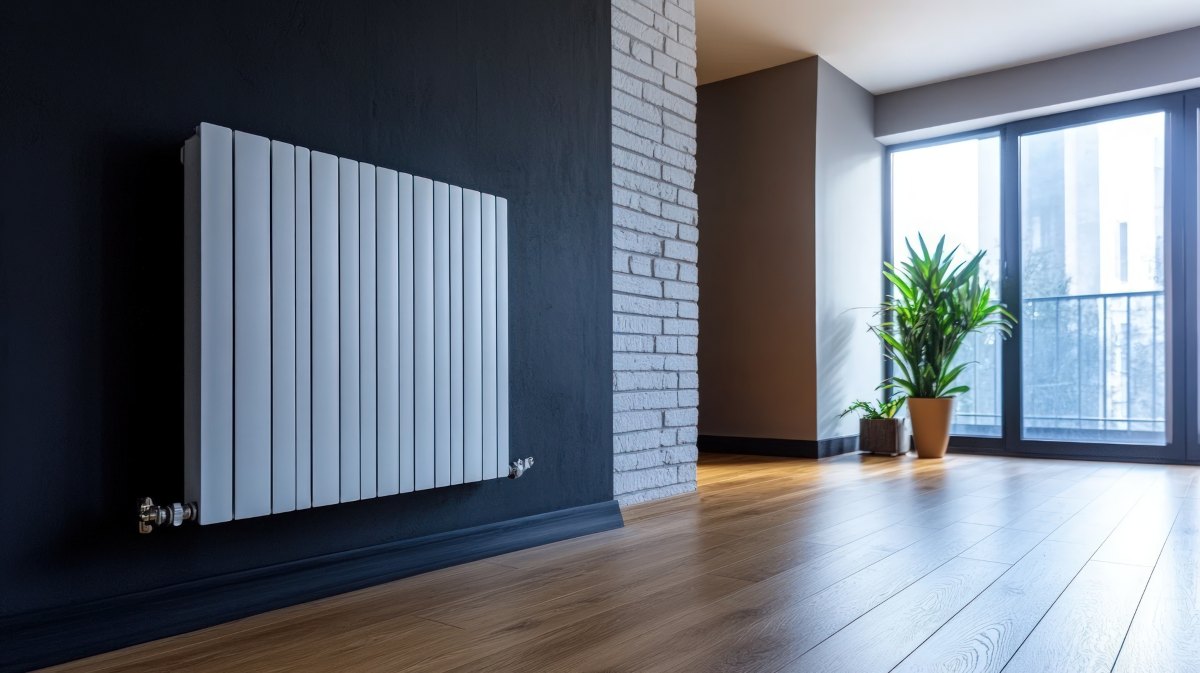
And if you’re updating your heating setup anyway, why not consider something that looks as good as it performs? There’s a growing trend toward traditional style radiators for modern homes: they blend timeless design with modern efficiency; a lovely nod to the past without compromising on comfort.
Why Bleeding Matters More Than You Think
A well-bled radiator isn’t just about comfort; it’s about energy efficiency. When air gets trapped inside, the boiler compensates by working harder, burning more fuel to maintain your preferred temperature. Multiply that across several radiators, and the impact on your energy bill can be surprisingly significant.
Regular bleeding-every few months, especially before winter-helps prevent this. It keeps the system running smoothly and reduces strain on your boiler. Think of it as giving your heating system a quick tune-up before the season demands more from it.
The Takeaway
Knowing how to bleed radiators without a key is one of those small, practical skills that makes home life a bit easier. You don’t need to panic or wait for a special tool to arrive in the post. A screwdriver, a towel, and a little patience can get the job done.
And once you’ve done it, you’ll feel a quiet pride every time that once-silent radiator hums back to life. It’s the kind of small domestic victory that makes winter feel just a little warmer.