


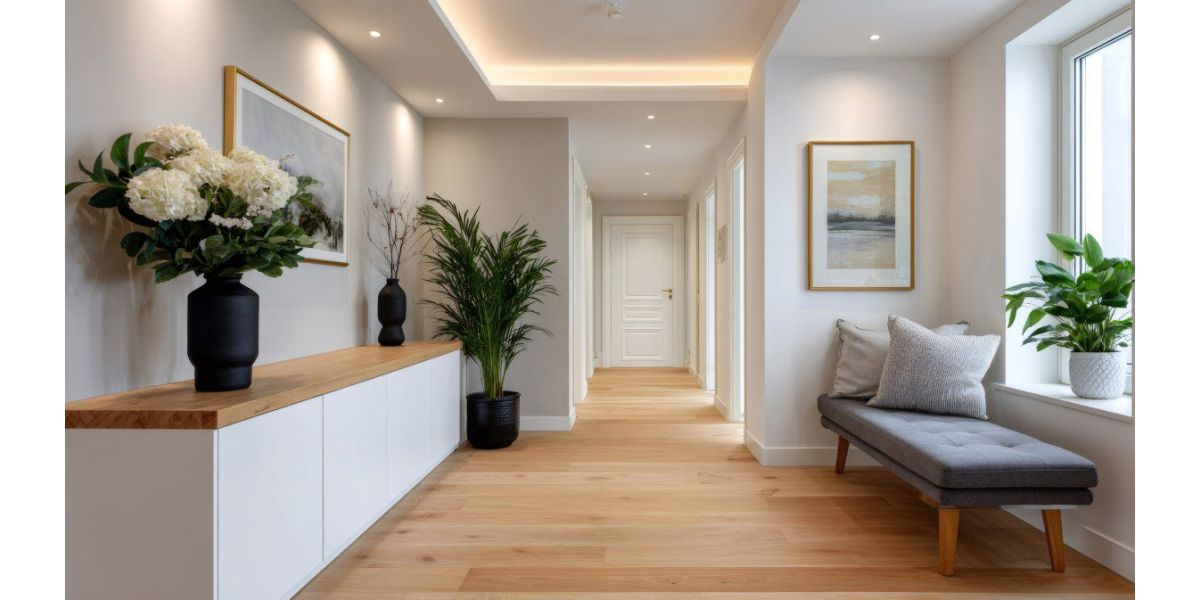
Hallways are odd little spaces. They’re rarely the largest room in the house, yet they somehow carry an enormous responsibility-connecting everything else together. They’re the first place guests see when they enter, and the one you rush through when you’re late for work, shoes half on and keys in your mouth. But here’s the thing: hallways get cold. Really cold. And because of their size and shape, choosing the right radiator isn’t quite as simple as picking the first one that fits the wall.
So, how do you find the perfect radiator for a hallway that’s both functional and stylish? We’ve gathered what we think are the most useful considerations to help you keep that transitional space warm, practical, and-why not-beautiful.
Consider the Space You Have (and the Space You Don’t)
Hallways are notorious for being awkwardly shaped: long and narrow, or short and boxy, sometimes with too many doors. The radiator you pick needs to respect that geometry. You don’t want to block walkways or doors, and you certainly don’t want visitors brushing against scorching metal every time they pass through.
Compact radiators or tall vertical models are often a smart choice for narrow halls. They use wall height rather than floor width, freeing up valuable space for furniture or simply easier movement. If your hallway is particularly tight, even a slimline convector radiator can provide good heat without jutting out too far.
For wider entryways, you might have the luxury of a horizontal radiator-perhaps even a statement piece in a designer finish. The key is proportionality. A radiator that overwhelms a small space looks bulky, but one that’s too small won’t heat it effectively.
Don’t Guess the Heat Output
You might be tempted to eyeball it (“This one looks powerful enough!”), but radiators don’t work like that. The warmth a room needs depends on volume, insulation, and even how many external walls it has.
That’s why you should always calculate the BTU (British Thermal Units) requirement before buying. BTU calculators are everywhere online, and they’ll tell you exactly how much heat your hallway needs. Once you’ve got your number, look for a radiator that matches or slightly exceeds that figure.
Undershooting means you’ll end up with a chilly corridor. Overshooting, on the other hand, wastes energy-and money. It’s a bit like buying a commercial oven to reheat leftovers.
Style Matters More Than You Think
It’s funny how radiators have evolved. They used to be purely functional-white, clunky, and somewhat apologetic. Now, they’re part of your interior design story.
In a hallway, where first impressions matter, style plays a big role. If you’ve got a traditional home, a cast iron or column radiator adds a lovely touch of period charm. Modern houses, meanwhile, often look best with minimalist panel radiators or sleek vertical models that double as design features.
Colour is worth thinking about, too. White is safe, sure. But black, anthracite, or even brushed metal finishes can bring depth and sophistication. A bold finish might even make your radiator a talking point (who knew heating could be stylish?).
And if you want something that’s both timeless and durable, take a look at robust heating units for homes. Column radiators in particular strike that perfect balance between performance and aesthetic appeal-they just look right, whether the hallway leans modern or classic.
Where You Place It Matters, Too
A good radiator is only as effective as its location. Put it behind a coat rack or under a console table and you might as well not have one at all. Heat needs freedom to circulate.
Generally, the best position is near the front door or on a wall opposite an exterior source of cold-that helps prevent draughts from spreading through the rest of the home. However, each hallway is different, so placement can vary.
We’ve written more about the ideal placement for radiators if you want to get this step exactly right.
Think About How It’ll Be Used
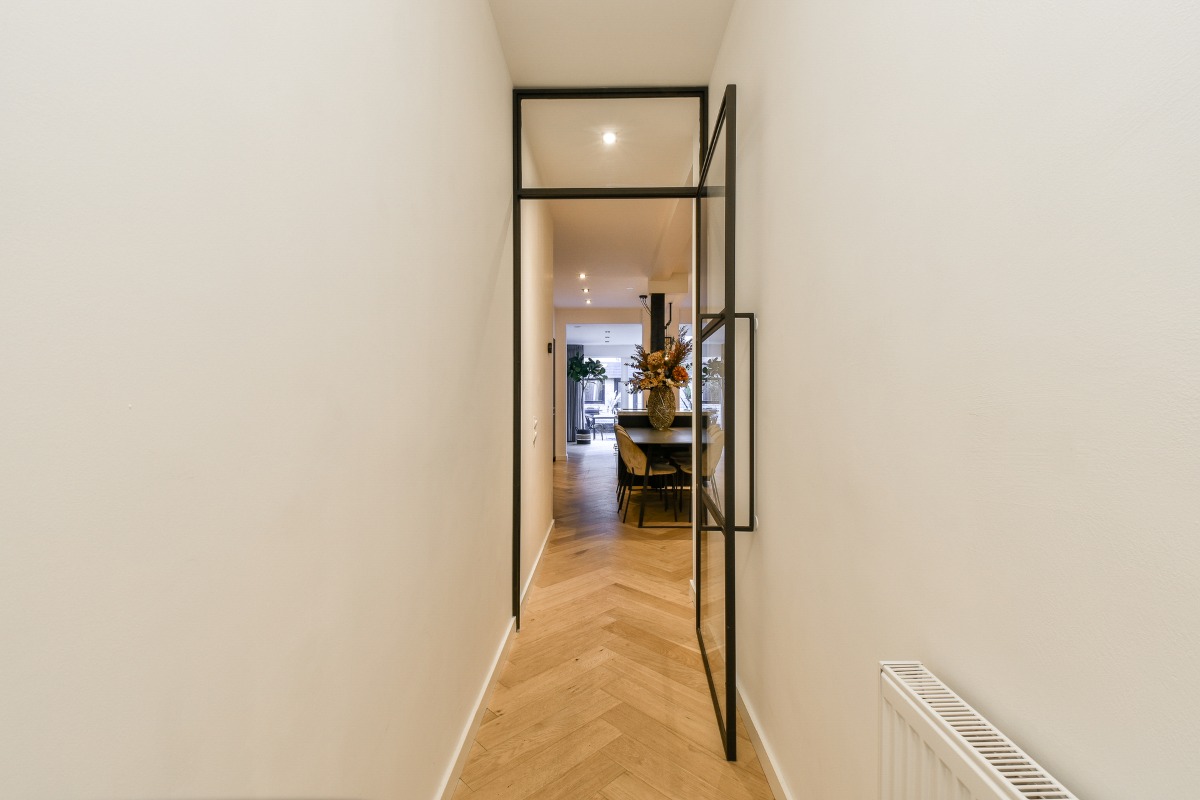
A hallway radiator has a different job to one in, say, the living room. You’re not sitting beside it for hours. Its purpose is to maintain a comfortable temperature and stop that cold air from spilling into the rest of your home.
This means it doesn’t need to run at maximum output all the time. Consider radiator valves with thermostatic control, so you can fine-tune the temperature and save on energy.
If your hallway doubles as a drying spot for damp coats or shoes, a towel-style radiator might even be a practical twist. You’ll be surprised how handy it is to have a warm place to hang wet outerwear in winter.
Materials Make a Difference
The material your radiator is made from changes everything-from how fast it heats up to how long it holds warmth.
- Steel radiators are common and affordable, offering steady heat and a wide range of styles.
- Aluminium radiators heat up rapidly, making them great for hallways where you might not have the heating on continuously.
- Cast iron radiators retain heat the longest but take time to warm up-ideal if you like your hallway to stay cosy long after the boiler switches off.
Each comes with its own rhythm of warmth, so it’s worth matching that rhythm to your lifestyle.
Don’t Forget the Finishing Touches
Once you’ve chosen the size, output, and style, pay attention to the extras. Radiator valves, pipe covers, and brackets might sound unglamorous, but they tie the whole look together.
A modern chrome valve on a traditional radiator can look slightly off, while a matching brushed brass one adds harmony. It’s like wearing the right shoes with an outfit-no one notices unless it’s wrong.
If you’re upgrading an older heating system, consider flushing it before installing a new radiator. It helps prevent sludge build-up, which can seriously affect performance over time.
Final Thoughts
Choosing the best radiator for your hallway isn’t just about ticking boxes on a spec sheet. It’s about finding the right balance between warmth, design, and practicality. You want something that fits-in both senses of the word.
A well-chosen radiator can make your hallway feel inviting the moment you step through the door, banishing that first shiver of cold. Whether you go for a tall, elegant vertical radiator or a sturdy, traditional column design, remember that even small spaces deserve thoughtful heating.
After all, the hallway might not be where you linger, but it is where every day begins and ends. And it’s far nicer to start (and finish) each one in warmth.