




Your home's carbon footprint is basically the total greenhouse gas emissions caused by everything you do there - heating, electricity use, cooking, hot water, even the products you buy. The average UK household produces about 2.7 tonnes of CO2 annually just from energy use, which is a lot when you consider that adds up across millions of homes. Reducing it doesn't mean living in the dark eating cold beans; it's about making smarter choices that often save you money whilst helping the environment.
Understanding Where Your Emissions Come From
Heating accounts for roughly 60% of a typical home's energy use in the UK, which makes it by far your biggest carbon contributor. Hot water is next at around 20%, then electricity for appliances, lighting, and cooking makes up the rest. Knowing this breakdown helps you focus efforts where they'll actually make a difference rather than obsessing over minor things whilst ignoring the big stuff.
Gas heating produces direct carbon emissions at your home, whilst electricity's carbon intensity depends on how it was generated - renewable sources like wind and solar have minimal emissions, but gas and coal plants produce loads. The UK grid is getting cleaner every year as more renewables come online, which means your electricity use becomes less carbon-intensive over time even if you don't change your habits.
Switch to Renewable Energy Tariffs
One of the easiest ways to cut your carbon footprint is switching to a renewable electricity tariff - you're still getting electricity from the grid, but your supplier guarantees that the amount you use is matched by renewable generation they've purchased. It's not quite the same as having solar panels directly on your roof, but it supports renewable energy infrastructure and reduces your carbon accounting significantly.
Some tariffs are greener than others though. Look for suppliers that actually generate renewable energy or purchase it directly rather than just buying certificates; companies like Octopus
Energy, Good Energy, and Ecotricity have genuine renewable credentials. Green tariffs don't always cost more either - sometimes they're competitive with or cheaper than standard tariffs, especially recently.
Upgrade Your Heating System
Replacing an old boiler with a modern condensing one improves efficiency by 20-30%, which directly translates to lower carbon emissions because you're burning less gas to achieve the same warmth. If your boiler is more than 15 years old, it's probably costing you money and pumping out unnecessary carbon every time it fires up.
Heat pumps are the real carbon-cutting champions though. Air source heat pumps use electricity to extract heat from outside air (yes, even in winter) and can reduce your heating emissions by 50-75% compared to gas boilers, especially as the grid gets greener. They're expensive to install - typically £10,000-15,000 - but government grants can cover a chunk of that, and running costs are often lower than gas once they're in.
The catch is that heat pumps work best in well-insulated homes with underfloor heating or larger radiators; retrofitting them into poorly insulated period properties without other upgrades can be problematic and expensive.
Improve Insulation and Draught-Proofing
Better insulation means you need less heating, which means lower emissions regardless of what fuel you use. Loft insulation, cavity wall insulation, and solid wall insulation all make substantial differences - a properly insulated home can use 30-40% less energy for heating than an uninsulated one, which is massive in terms of carbon savings.
Draught-proofing costs very little and delivers immediate results; sealing gaps around windows, doors, letterboxes, and other openings stops warm air escaping and cold air infiltrating. It's one of those improvements where the cost-to-benefit ratio is absurdly good - you might spend £50 on materials and a weekend's work, then save that annually whilst cutting your carbon emissions.
Reduce Hot Water Usage and Temperature
Your hot water cylinder doesn't need to be set at 70°C - 60°C is hot enough to kill legionella bacteria whilst using less energy to maintain that temperature. Insulating your cylinder and pipes prevents heat loss too, so the energy you do use isn't just radiating into your airing cupboard.
Shorter showers make a real difference. A typical shower uses about 10 litres of hot water per minute, so cutting shower time from 10 minutes to 5 minutes halves the energy (and carbon) used heating that water. Low-flow showerheads maintain pressure whilst using less water, which means less water to heat in the first place.
Switch to LED Lighting
If you're still using incandescent or halogen bulbs anywhere, switching to LEDs is an easy carbon win - LEDs use about 80-90% less electricity for the same light output and last years longer. The upfront cost is higher but they pay for themselves quickly through reduced electricity bills.
The carbon savings from lighting upgrades are less dramatic than they used to be since the UK grid has gotten much cleaner, but they're still worthwhile. Plus you're replacing bulbs less often, which reduces waste - LEDs can last 15-25 years in normal use, compared to about a year for incandescent bulbs.
Upgrade to Energy-Efficient Appliances
When appliances need replacing, choosing A-rated models (the new energy label system) makes a difference over their lifetime. Fridges and freezers run constantly so efficiency really matters there; washing machines, dishwashers, and tumble dryers also use significant energy.
Tumble dryers are carbon-intensive devices - if you can line-dry clothes even part of the time, you'll save loads of energy. Heat pump tumble dryers are much more efficient than vented or condenser models if you do need a dryer; they cost more upfront but use about 50% less electricity. Washing at 30°C instead of 40°C cuts energy use significantly whilst still getting clothes clean for most loads.
Consider Solar Panels
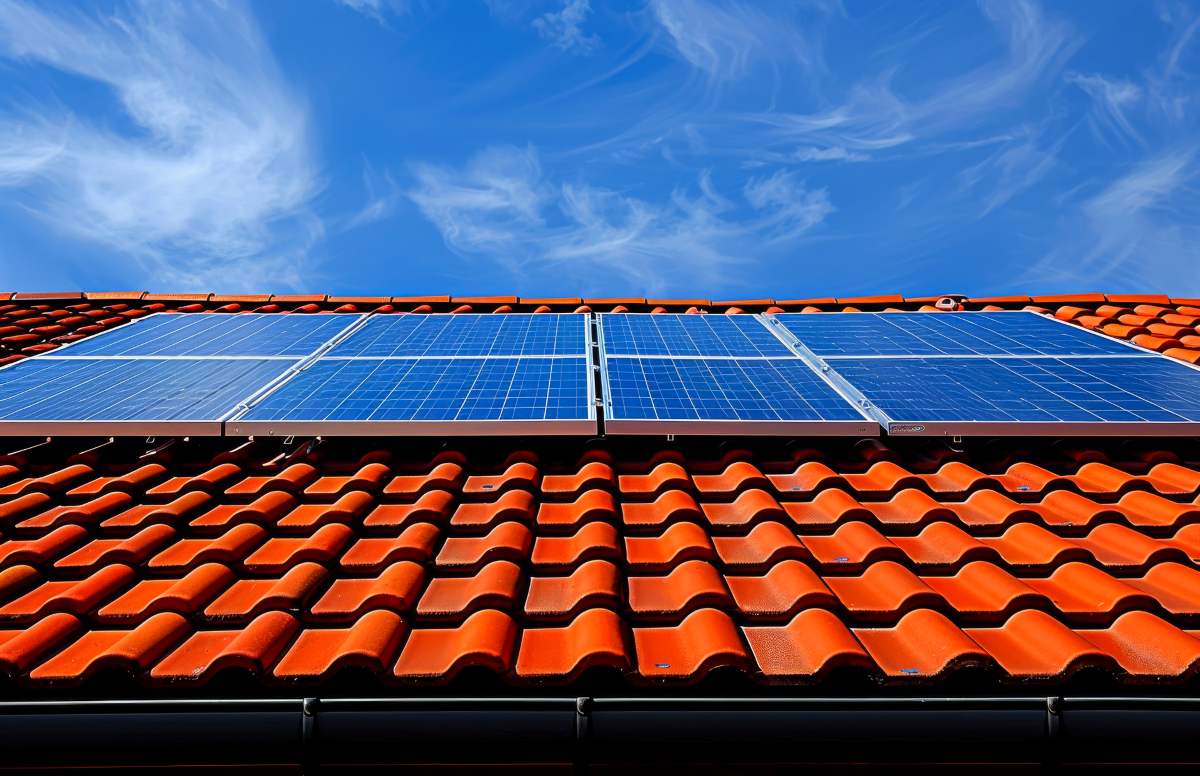
Solar panels generate clean electricity at your home, directly reducing your carbon footprint and your electricity bills. They're more affordable than ever - a typical 4kW system costs around £5,000-7,000 and can generate about 3,500kWh annually in southern England, less further north. That's roughly enough to cover an average home's electricity use for lighting and appliances.
The carbon payback period for solar panels is about 3-5 years in the UK - that's how long it takes for the clean energy they generate to offset the emissions from manufacturing and installing them. After that, they're just producing zero-carbon electricity for the remaining 20-25 years of their life.
Battery storage makes solar more effective by storing excess generation for use at night, though batteries add significantly to the cost. Without storage, you'll export surplus generation to the grid (getting paid for it) and import electricity when needed; with storage, you can use more of what you generate.
Change How You Use Energy
Using appliances during off-peak hours (typically overnight) takes advantage of cleaner grid electricity - overnight electricity has a much lower carbon intensity because it's mostly coming from wind power, nuclear, and hydro rather than gas plants firing up to meet daytime demand. If you've got a smart meter and time-of-use tariff, this also saves money.
Batch cooking and using slow cookers or pressure cookers is more efficient than heating the oven for individual meals. Kettles are energy-intensive devices; only boiling the water you actually need rather than filling it every time saves electricity. Small changes in habits add up over time.
Reduce, Reuse, Repair
The carbon footprint of manufacturing and transporting products is often larger than their lifetime energy use - buying less stuff, keeping things longer, and repairing rather than replacing all reduce your carbon footprint. Fast fashion is particularly carbon-intensive; buying fewer, better-quality clothes and wearing them for years has a much lower impact.
Furniture, electronics, and household goods all carry embodied carbon from their manufacture. Buying secondhand, choosing durable products that'll last, and maintaining things properly rather than replacing them when they develop minor issues all help. It's less immediately obvious than changing your heating system, but the cumulative effect is significant.
Food and Waste Considerations
What you eat has a carbon footprint too - meat and dairy are particularly carbon-intensive compared to plant-based foods. You don't have to go vegan, but reducing meat consumption (especially beef and lamb) makes a measurable difference. Even just having a few meat-free days per week helps.
Food waste is another issue; UK households throw away about 6.6 million tonnes of food annually, much of it perfectly edible. The carbon footprint includes everything needed to produce, transport, and refrigerate that food, plus methane emissions when it rots in landfill. Meal planning, using leftovers, and understanding use-by dates properly all reduce waste.
Composting food scraps prevents methane emissions from landfill whilst creating useful compost for your garden - if you've got outdoor space, a compost bin or heap is one of the most environmentally beneficial things you can do. Many councils now offer food waste collection if home composting isn't feasible.
Consider Your Transport
This isn't strictly about your home, but how you get to and from it matters - if you can walk, cycle, or use public transport instead of driving, you're reducing your overall carbon footprint. Electric vehicles produce zero direct emissions and have much lower lifetime emissions than petrol or diesel cars, especially as the grid gets cleaner.
If you've got off-street parking, installing an EV charger powered by your solar panels or renewable tariff creates a very low-carbon transport solution. You're essentially converting sunlight or wind into transportation, which is pretty remarkable when you think about it.
Smart Heating Controls
Programmable thermostats and smart heating systems let you heat your home only when needed rather than constantly maintaining temperature - heating it to 19-20°C when you're there and letting it drop to 15-16°C overnight or when you're out saves significant energy. Each degree of temperature reduction cuts heating energy use by about 10%.
Thermostatic radiator valves (TRVs) on individual radiators also mean you're not heating unused rooms - there's no point maintaining 20°C in spare bedrooms or storage rooms you rarely enter. Zoning your heating to match how you actually use your home reduces energy waste substantially. And at Mr Central Heating, our classic radiator designs for stylish interiors work brilliantly with smart controls whilst maintaining the aesthetic you want.
Key Takeaways
Lowering your home's carbon footprint is entirely achievable through a combination of equipment upgrades, efficiency improvements, and habit changes - you don't have to do everything at once. Start with the big wins like heating system efficiency, insulation, and switching to renewable electricity; these deliver the most significant carbon reductions.
Many carbon-cutting measures also save money, which makes them easier to justify even if environmental concerns aren't your primary motivation. Better insulation and more efficient heating reduce bills whilst cutting emissions; LED lighting and efficient appliances do the same. The exceptions are things like solar panels and heat pumps where upfront costs are high but long-term benefits are substantial.
Every improvement compounds; a well-insulated home with efficient heating and renewable electricity has a dramatically lower carbon footprint than an average UK home, often by 60-80%. That's the kind of reduction we collectively need to achieve net zero targets, and it's entirely possible with current technology.
FAQs
What's the single biggest thing I can do to reduce my home's carbon footprint?
Improving your heating system and insulation delivers the largest carbon reduction since heating accounts for about 60% of home energy use. Switching to a heat pump combined with good insulation can cut your heating emissions by 50-75%.
Are renewable energy tariffs actually making a difference?
Yes, though it's slightly indirect - renewable tariffs support renewable energy generation by guaranteeing a market for that electricity. Your actual electrons still come from the mixed grid, but financially you're supporting cleaner generation replacing fossil fuels.
How much does solar cost and what are the carbon savings?
A typical 4kW system costs £5,000-7,000 and generates roughly 3,500kWh annually in southern England. It'll offset its manufacturing emissions within 3-5 years, then produce zero-carbon electricity for another 20+ years. Annual carbon savings are typically 1-1.5 tonnes of CO2.
Is it better to reduce electricity or gas use?
Currently, reducing gas use typically saves more carbon per kWh because you're burning fossil fuel directly at home. However, as the electricity grid gets cleaner, this balance is shifting - in a few years, grid electricity will have lower carbon intensity than gas heating.
Do small changes like shorter showers actually matter?
Individually they're small, but collectively they add up - shorter showers, LED lighting, efficient appliances, and mindful energy use together might reduce your carbon footprint by 10-15%. That's not transformative on its own, but it's worthwhile alongside bigger measures.
Should I replace my gas boiler now or wait for heat pumps to get cheaper?
If your boiler is broken or very old (15+ years), replacing it makes sense now - you'll save money on bills whilst waiting for heat pump costs to fall. If your boiler works fine, waiting might be sensible since heat pump grants and technology are improving rapidly.