



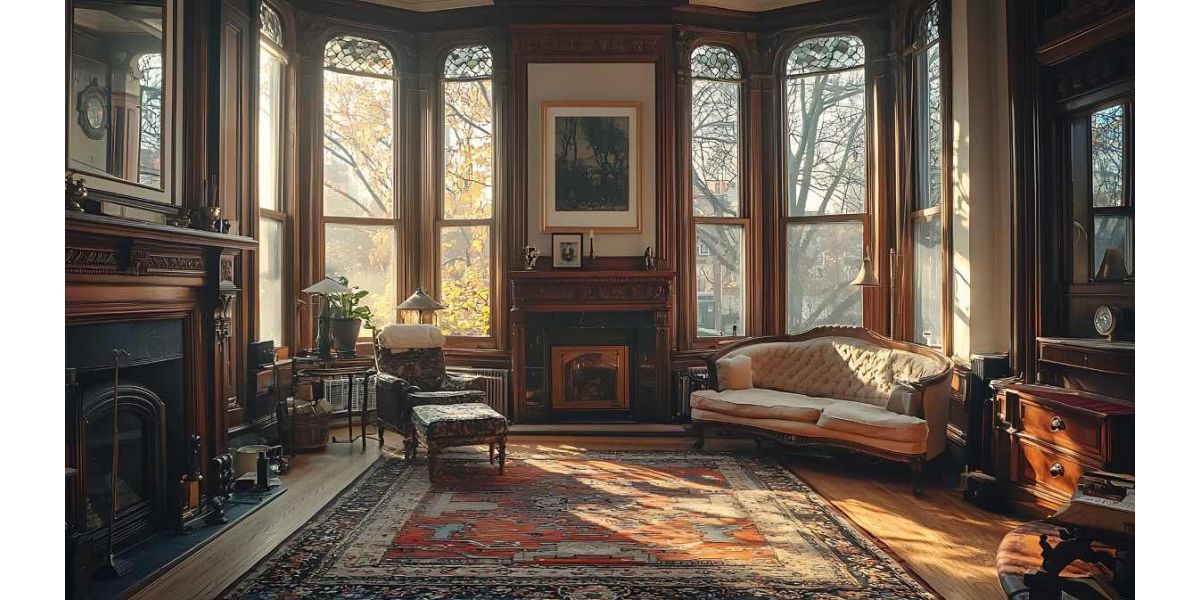
Older homes have character and charm that new builds can't replicate, but they also leak heat like nobody's business; single-glazed windows, solid walls with no insulation, draughty floors, and heating systems from decades ago all conspire to make your energy bills painful. The good news is that you can dramatically improve efficiency without gutting the place or destroying the features that make period properties appealing in the first place.
Start with a Home Energy Assessment
Before you throw money at random improvements, figure out where you're actually losing heat; a proper energy assessment using thermal imaging shows exactly where your home bleeds warmth, which helps you prioritise upgrades that'll make the biggest difference. Some energy suppliers offer free assessments, or you can hire a specialist for a few hundred quid. Cold spots around windows, doors, and where walls meet ceilings are common culprits in older properties - seeing them highlighted on a thermal camera makes it obvious why your heating bills are astronomical.
Building surveyors who specialise in period properties understand how older construction works and can advise on appropriate improvements that won't damage the building or create damp problems. This matters because retrofit insulation done wrong in solid-walled properties can trap moisture and cause serious structural issues - you might discover that your biggest heat loss isn't where you expected, which prevents wasting money fixing minor issues whilst ignoring major ones.
Insulation That Works with Period Properties
Once you know where heat is escaping, loft insulation is usually the easiest win. Most older homes have either no loft insulation or inadequate amounts, and adding 270mm of modern insulation can cut heat loss through your roof by 25% or more - it's relatively cheap, often available with grants, and doesn't affect the character of your home since nobody sees it.
Solid wall insulation is trickier since you're dealing with brick or stone walls that weren't designed with cavities; external insulation is more effective but changes your home's appearance (potentially an issue in conservation areas), whilst internal insulation is less invasive visually but reduces room sizes slightly and requires careful vapour control to prevent damp. Floor insulation often gets overlooked but makes a massive difference to comfort - if you've got suspended timber floors, lifting floorboards to add insulation between joists stops cold draughts and reduces heat loss significantly.
Window Upgrades Without Losing Character
After addressing insulation, windows are typically the next major heat loss area. Secondary glazing preserves original windows whilst dramatically improving thermal performance - fitting a second pane of glass on the room side of your existing windows creates an insulating air gap without touching the period windows themselves. It's particularly useful in conservation areas where replacing original windows isn't allowed. Draught-proofing existing windows costs very little and makes an immediate difference; specialist brush seals and compression strips fitted properly can reduce heat loss by 15-20% whilst preserving the windows' operation and appearance.
If you are replacing windows, modern reproductions can match period styles whilst incorporating double glazing - slim profile double glazing uses vacuum or specialist gas fills to achieve good insulation values in thinner units that suit period window frames. They're more expensive than standard double glazing but they actually look right in older properties.
Heating System Improvements
With better insulation and windows sorted, your heating system can work far more efficiently. Older boilers are shockingly inefficient - if your boiler is more than 15 years old, replacing it with a modern condensing boiler typically improves efficiency from around 70% to 90%+, which translates directly to lower fuel bills. The payback period is usually 5-7 years, after which you're just saving money. Heating controls matter as much as the boiler itself; programmable thermostats, thermostatic radiator valves (TRVs), and zone controls let you heat rooms only when needed rather than warming the entire house constantly.
Smart heating systems take this further by learning your patterns and adjusting automatically. Radiator upgrades can improve heat distribution without touching your boiler - our traditional designs with modern performance suit period properties aesthetically whilst delivering contemporary efficiency.
Draught-Proofing and Air Sealing
Beyond the obvious areas, there are dozens of small gaps that collectively make a huge difference. Gaps around doors and windows are obvious draught sources - self-adhesive foam strips, brush seals, or compression strips fitted to door frames and window edges stop cold air infiltration without any structural work. Check letterboxes and cat flaps too; draught excluders for these are cheap and effective. Gaps in floorboards let cold air in from below, so filling these with flexible sealant or papier-mâché (traditional but effective) or fitting rugs over particularly draughty areas all help - for severe cases, lifting boards to add insulation underneath solves the problem properly.
Chimneys you're not using should be blocked but ventilated; fit a chimney balloon or cap that allows airflow (to prevent damp) but stops the massive heat loss from an open flue. Service penetrations where pipes and cables enter the building create surprising amounts of heat loss - sealing around these with expanding foam or flexible sealant takes minutes and costs pennies but genuinely helps. Check in cupboards and behind furniture where penetrations might be hidden.
Hot Water Efficiency

Your hot water system is another area where simple changes make a real impact. Tank insulation is criminally easy if you've got a hot water cylinder - a proper insulation jacket costs under £20 and pays for itself within months through reduced heat loss. If your tank already has insulation, check it's adequate; older jackets were much thinner than modern standards require. Pipe lagging on hot water pipes prevents heat loss between your cylinder and taps - every metre of uninsulated pipe is radiating heat into spaces you don't need to warm.
Cylinder thermostats prevent overheating your water. Setting it to 60°C (needed to prevent legionella) rather than higher saves energy without compromising safety or comfort - some people have their tanks set way hotter than necessary, which wastes fuel.
Renewable Energy Options
Once you've reduced your home's energy demand through insulation and efficiency measures, renewable energy becomes more viable and cost-effective. Solar panels work on period properties if your roof faces the right direction and you can get planning permission; they're more affordable than ever and can significantly reduce electricity bills. For listed buildings or conservation areas, you'll need to navigate planning carefully, but it's often possible. Air source heat pumps can replace traditional boilers in some older homes, though they work best with good insulation and larger radiators or underfloor heating - they're not suitable for all period properties without significant other upgrades first.
Solar thermal for hot water is simpler than full solar panels and requires less roof space; it preheats your water, reducing how much your boiler needs to work. The technology is mature and reliable, though feed-in tariffs that made them extremely attractive have mostly ended.
Ventilation Balance
There's a catch though - older homes were designed to be naturally ventilated through gaps and chimneys, so improving airtightness means you need to think about controlled ventilation to prevent damp and maintain air quality. This doesn't mean leaving windows open constantly (defeats the point of draught-proofing), but it does mean considering mechanical ventilation with heat recovery (MVHR) for major retrofits.
Bathroom and kitchen extraction removes moisture at source. Older homes often have inadequate or non-existent extraction, which can lead to condensation and mould problems - fitting proper extractors (ducted to outside, not just recirculating) prevents moisture buildup that damages the building. Trickle vents in windows allow background ventilation without creating draughts; they can be retrofitted to most window types and provide the air exchange needed for healthy indoor air quality whilst maintaining thermal efficiency.
Grant Funding and Support
The costs can add up, but you don't necessarily have to fund everything yourself. Various grants exist for energy efficiency improvements in homes - the ECO scheme (Energy Company Obligation) can fund insulation and heating upgrades for eligible households; local authority schemes might offer additional support. It's worth checking what's available before paying for everything yourself. Listed building consent and conservation area rules affect what you can do, so engage with your conservation officer early if your property is listed - they're often more flexible about internal improvements and can advise on sensitive ways to improve efficiency without harming historic fabric.
The Bottom Line
Improving an older home's energy efficiency is entirely possible without ruining its character; the key is understanding how period buildings work and choosing improvements that complement rather than fight against original construction methods. Start with easy wins like loft insulation and draught-proofing, then move on to bigger projects like heating system upgrades and wall insulation. Budget for improvements over several years if needed - you don't have to do everything at once, and staging work lets you see what makes the biggest difference to your specific property.
Every improvement compounds; better insulation means your new efficient boiler works even better, which means your heating controls can manage temperature more precisely. Period properties can be remarkably comfortable and cheap to run with the right upgrades - you're not choosing between character and efficiency, you're finding ways to have both.
FAQs
Can you insulate solid walls without causing damp problems?
Yes, but it requires careful design - external insulation is safest because it keeps the wall warm and lets moisture evaporate outward; internal insulation needs vapour control layers and appropriate materials to prevent interstitial condensation. Always use specialists who understand solid wall construction.
Will improving efficiency devalue a period property?
Sympathetic improvements actually increase value - buyers want period character but not massive heating bills. Problems occur when inappropriate modern methods damage historic fabric or look obviously wrong; done properly, efficiency upgrades are invisible or enhance the property.
How much can you realistically save on heating bills?
Comprehensive upgrades (insulation, new boiler, controls, draught-proofing) typically reduce heating costs by 40-60% - the exact saving depends on your starting point and which improvements you implement. Even basic measures like draught-proofing and loft insulation can cut bills by 20-30%.
Do you need planning permission for energy efficiency improvements?
Most internal improvements don't require permission - loft insulation, boiler replacement, and internal wall insulation are usually fine. External changes (solar panels, external wall insulation, window replacement) often need planning permission, especially in conservation areas or listed buildings.
Are heat pumps suitable for older homes?
They can be, but it's complicated - heat pumps work best with excellent insulation and underfloor heating or large radiators running at lower temperatures. Many older homes would need significant insulation upgrades first; hybrid systems combining heat pumps with traditional boilers can be more practical for period properties.
What order should you tackle improvements?
Start with cheap, high-impact measures first - draught-proofing, loft insulation, heating controls - then move to bigger investments like boiler replacement and wall insulation. Always insulate before upgrading your heating system; otherwise you're sizing your boiler for a poorly insulated building that will soon be better insulated.