



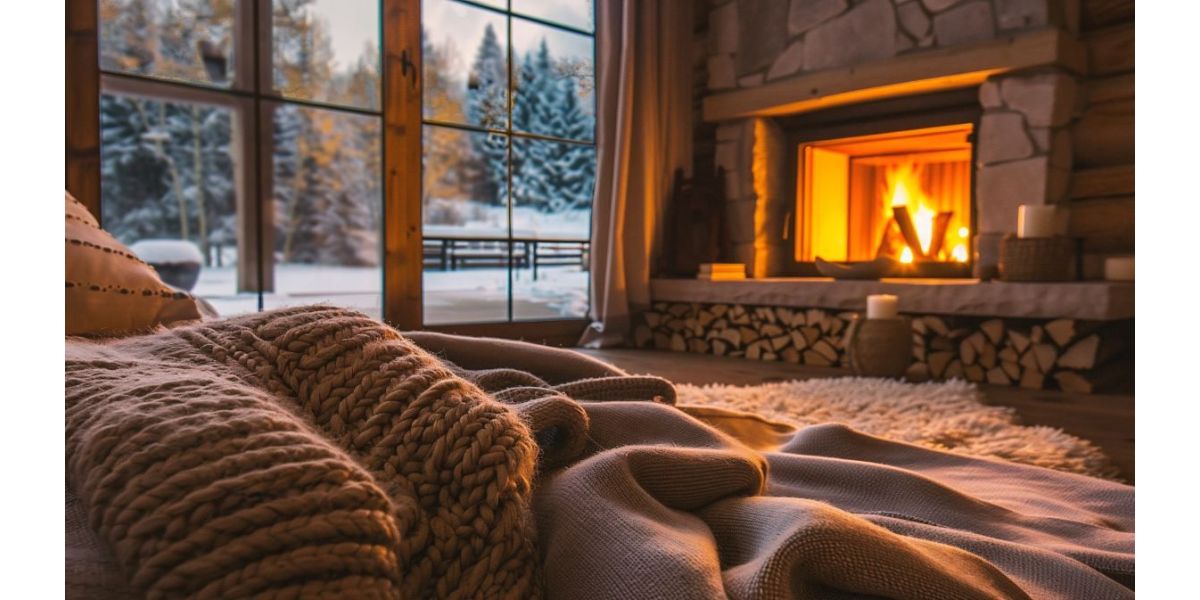
Winter always seems to sneak up on us. One day, it’s mild enough for a light jacket, and the next, we’re wearing three pairs of socks and arguing with the thermostat. Staying warm indoors shouldn’t mean sky-high energy bills or wrapping yourself in a blanket burrito (though, we won’t judge if that’s your current strategy). Here are 9 simple, practical hacks to help keep your home cosy this winter without burning through your budget or your patience.
1. Bleed Your Radiators
When it comes to making your radiators more energy-efficient, we start with one of the easiest - and most overlooked - home maintenance tasks: bleeding your radiators. Over time, air gets trapped inside, creating cold spots and preventing them from heating properly. The fix? A simple radiator key and a towel. Once you release the air, the difference can be immediate - that slow-to-warm radiator suddenly feels alive again.
2. Use Reflective Radiator Panels
Heat shouldn’t be wasted warming your walls. Reflective radiator panels (those shiny sheets that go behind your radiators) bounce heat back into the room where it belongs. They’re inexpensive, easy to install, and surprisingly effective. If you’re renting or just can’t be bothered with major DIY, this is a near-perfect middle ground.
It’s especially worthwhile for older homes with external walls. The warmth that would otherwise seep through the brickwork gets reflected right back at you. Think of it as giving your radiators a helping hand, without needing to upgrade to high-performance compact radiators (though those certainly help too).
3. Insulate Your Windows with Thermal Curtains
Even the most charming sash windows can be traitors when it comes to keeping heat in. Drafts sneak through gaps, and single glazing leaks warmth like a sieve. Thermal curtains are a relatively low-cost solution - thick, lined, and heavy enough to block cold air from entering (and stop precious warmth escaping).
If your budget allows, double glazing is a worthwhile investment. But even without major renovations, simply drawing your curtains before it gets dark can make a surprising difference. We’ve tested this, and you can literally feel the room retain more heat within minutes.'
4. Seal Up the Drafts
Doors, windows, chimneys - they all have a habit of leaking warm air. You don’t need to be an expert to fix this. Draft excluders, foam tape, or even an old rolled-up towel at the base of a door can block the chill. For letterboxes or keyholes, you can find inexpensive covers online that keep the wind out without affecting use.
A good trick is to light a candle and hold it near areas where you suspect drafts - if the flame flickers, there’s your culprit. It’s simple detective work for the comfort-conscious.
5. Move Furniture Away from Radiators
It sounds obvious, but many of us unknowingly block heat flow. That plush sofa might look perfect in front of the radiator, but it’s absorbing most of the warmth instead of letting it circulate. Try rearranging furniture so radiators have space to do their job.
And while you’re at it, don’t forget to dust or vacuum behind radiators occasionally. A layer of dust can act as a mini-insulator, slightly reducing heat output. It’s the kind of micro-adjustment that feels insignificant but adds up when combined with other small changes.
6. Use Rugs to Trap Heat

Wood and tile floors might look lovely, but they’re not exactly known for their warmth. A few well-placed rugs can make a big difference, not only underfoot but in how heat stays within a room. If you’ve ever walked barefoot across a cold floor, you know what we mean.
For maximum effect, consider thicker wool or thermal-backed rugs. And, bonus: they also make rooms feel cosier, visually and emotionally. There’s something about soft textures that tricks the brain into feeling warmer.
7. Keep Internal Doors Closed
It’s one of those habits that seems trivial until you actually notice the difference. Keeping doors closed traps heat in specific rooms rather than letting it drift through hallways or unheated spaces. Think of your home as a collection of small heat zones.
If you work from home, for example, close the door to your office or study and focus on heating that one space. You’ll save energy and probably feel warmer faster.
8. Layer Up Your Bedding and Soft Furnishings
Your home isn’t the only thing that can be insulated - your body can too. Layering blankets, throws, and cushions creates a cosy cocoon that feels far more indulgent than it sounds. Swapping cotton sheets for flannel or brushed cotton makes a huge difference in how warm you feel overnight.
And while we’re at it, investing in a good-quality duvet or an electric blanket for the coldest nights might be one of the simplest (and most satisfying) hacks of all. Sometimes, warmth is less about turning up the thermostat and more about strategic comfort.
9. Time Your Heating Smartly
Leaving the heating on all day is rarely efficient, yet letting the house get freezing between bursts isn’t ideal either. That’s where programmable thermostats come in handy. Set your heating to switch on half an hour before you wake up and just before you get home - that way, warmth greets you without wasting energy.
Modern smart thermostats even learn your routine and adjust accordingly. But even an old-fashioned timer does the job. Consistency is key: it takes less energy to maintain a moderate temperature than to reheat a cold home from scratch.
Staying Warm, Smartly
Keeping your home warm during winter doesn’t require a full-scale renovation or endless expense. It’s really about combining small, thoughtful habits - bleeding radiators, sealing drafts, rearranging furniture - that together build a more efficient, comfortable environment.
And if you’re looking for a longer-term improvement, exploring upgrades like high-performance compact radiators is a smart move. They deliver more heat using less energy, perfect for anyone serious about comfort and savings alike.
We can’t control the weather (sadly), but we can control how we respond to it. A few clever hacks, a little planning, and you’ll be sipping tea in your warm, snug living room while the frost builds quietly outside. And that, we think, is winter living done right.